Guide
Your first multi-day trek: what to pack and how to prepare
Going from day hikes to sleeping on the trail is a big step. Here is how to pack by category, dress in layers, handle water and food, find your way and leave no trace, based on guidance from park authorities, the CDC and Leave No Trace.
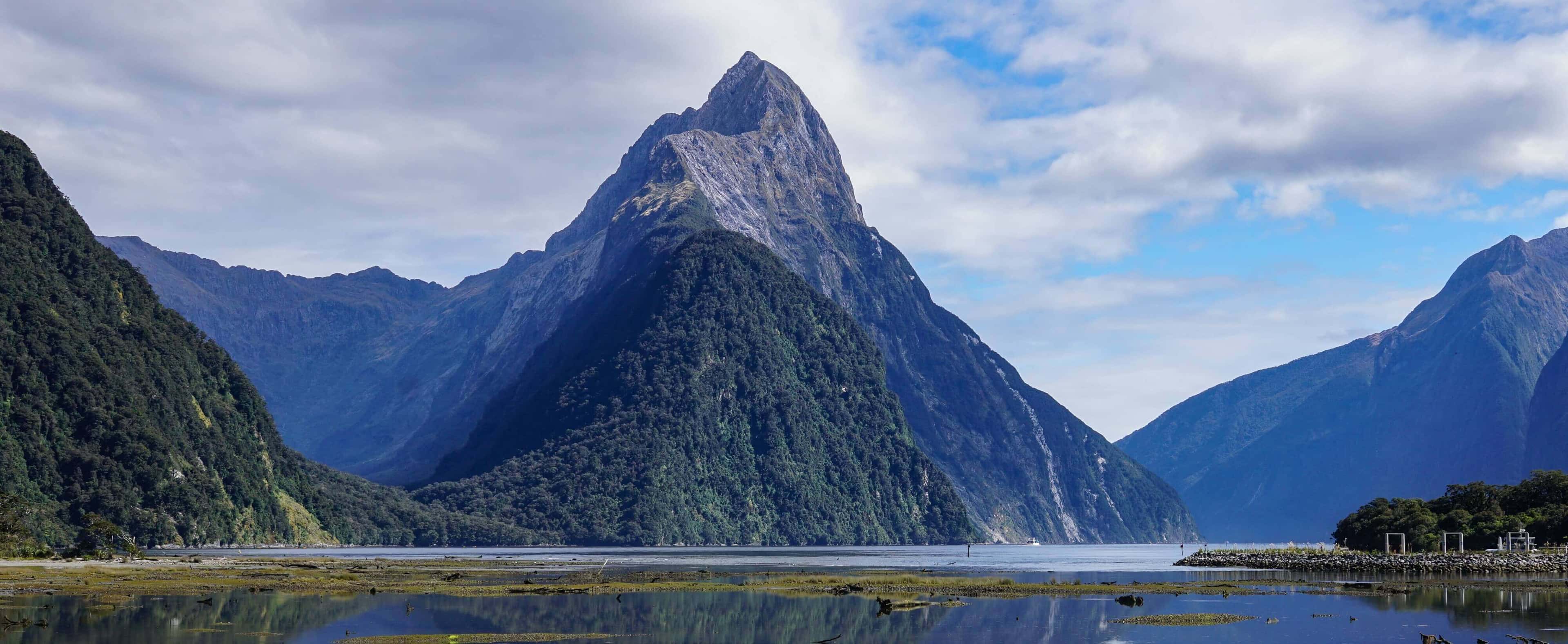
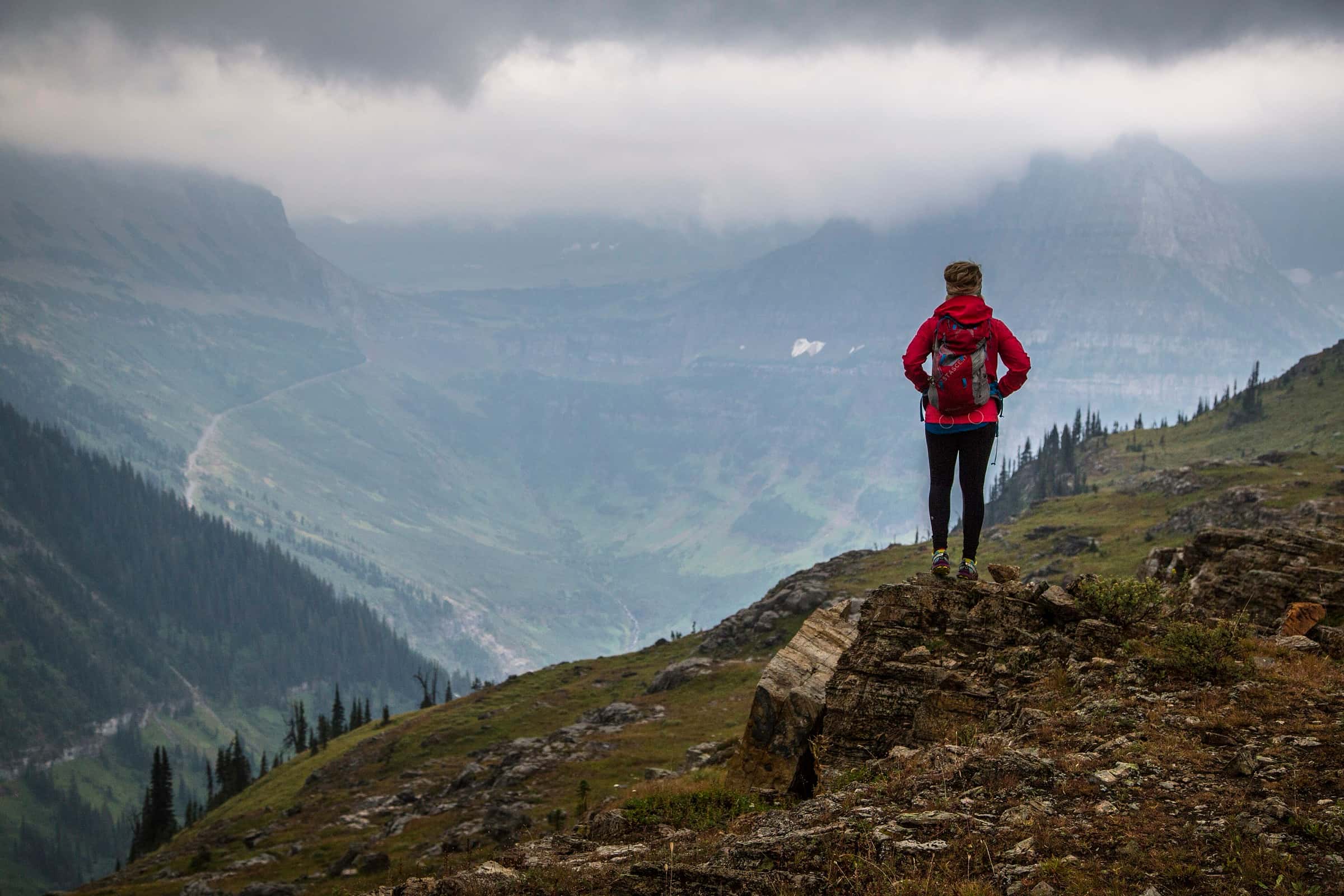
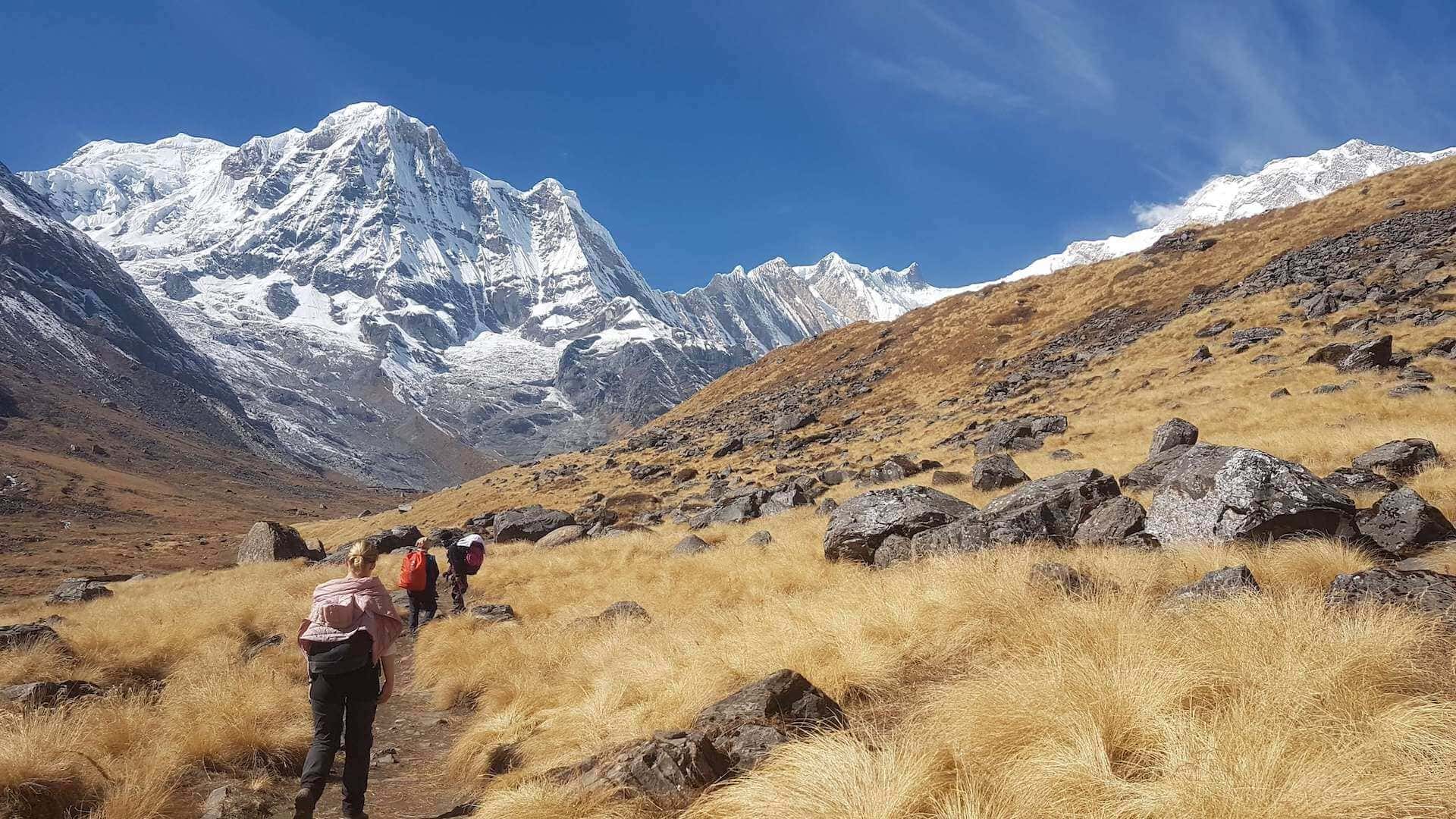
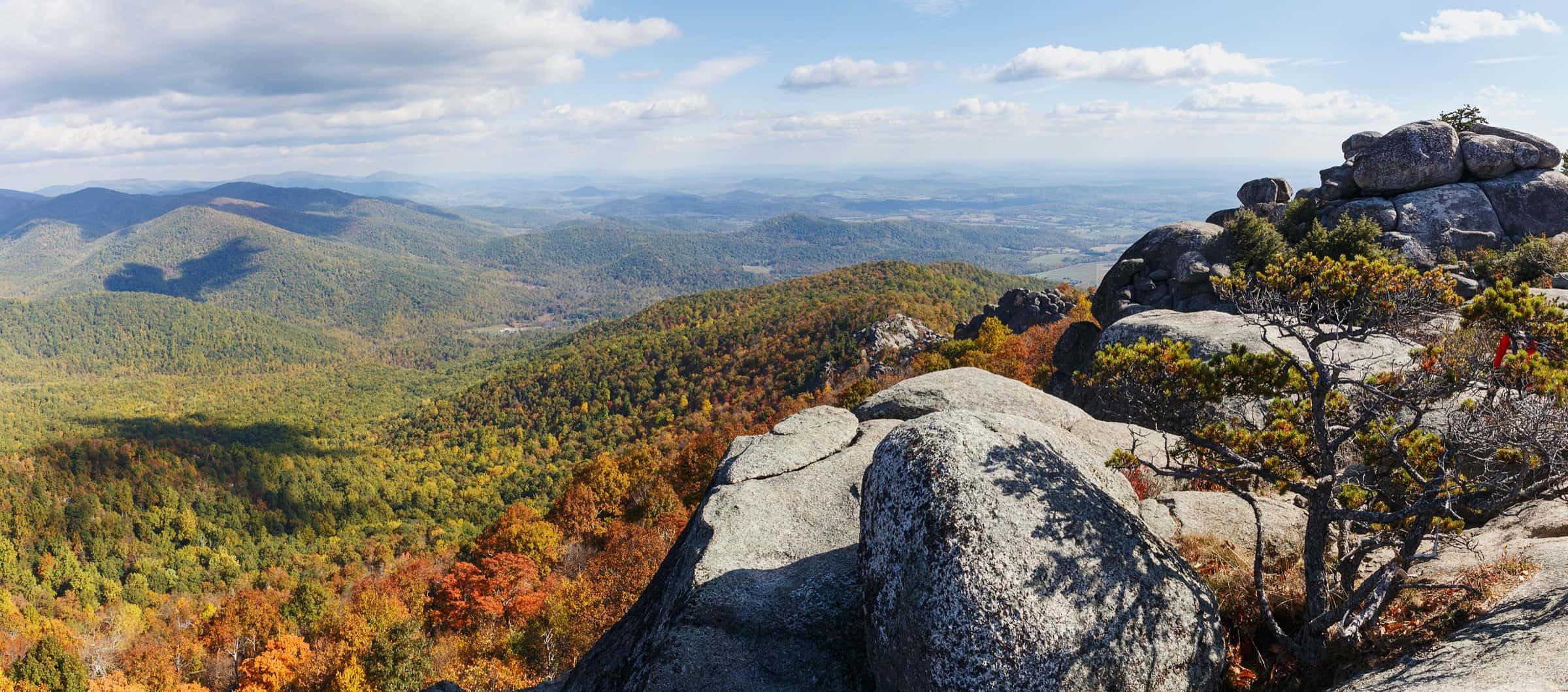
Photo by Paul Huisman on Unsplash
A multi-day trek changes the math of hiking. You carry your bed, your kitchen and every meal, and you can't turn back to the car when the weather changes. The good news is that park authorities publish clear gear lists and safety rules. We pulled together the advice from the US National Park Service, New Zealand's Department of Conservation (DOC), Tasmania Parks and Wildlife Service, Chile's CONAF and the Leave No Trace Center so your first trek starts on the right foot.
Start with the Ten Essentials
The National Park Service describes the Ten Essentials as items that help you handle minor injuries, sudden weather changes or unexpected emergencies. They are: navigation (map, compass and GPS), sun protection (sunglasses, sunscreen and a hat), extra clothing, illumination (a headlamp is the hands-free choice), first-aid supplies, fire (matches or a lighter and fire starters), a repair kit and tools, nutrition (a day's worth of extra food), hydration (water plus a way to treat it) and emergency shelter. On a multi-day trek most of these are already in your pack. The point is to check that none are missing.
Packing by category
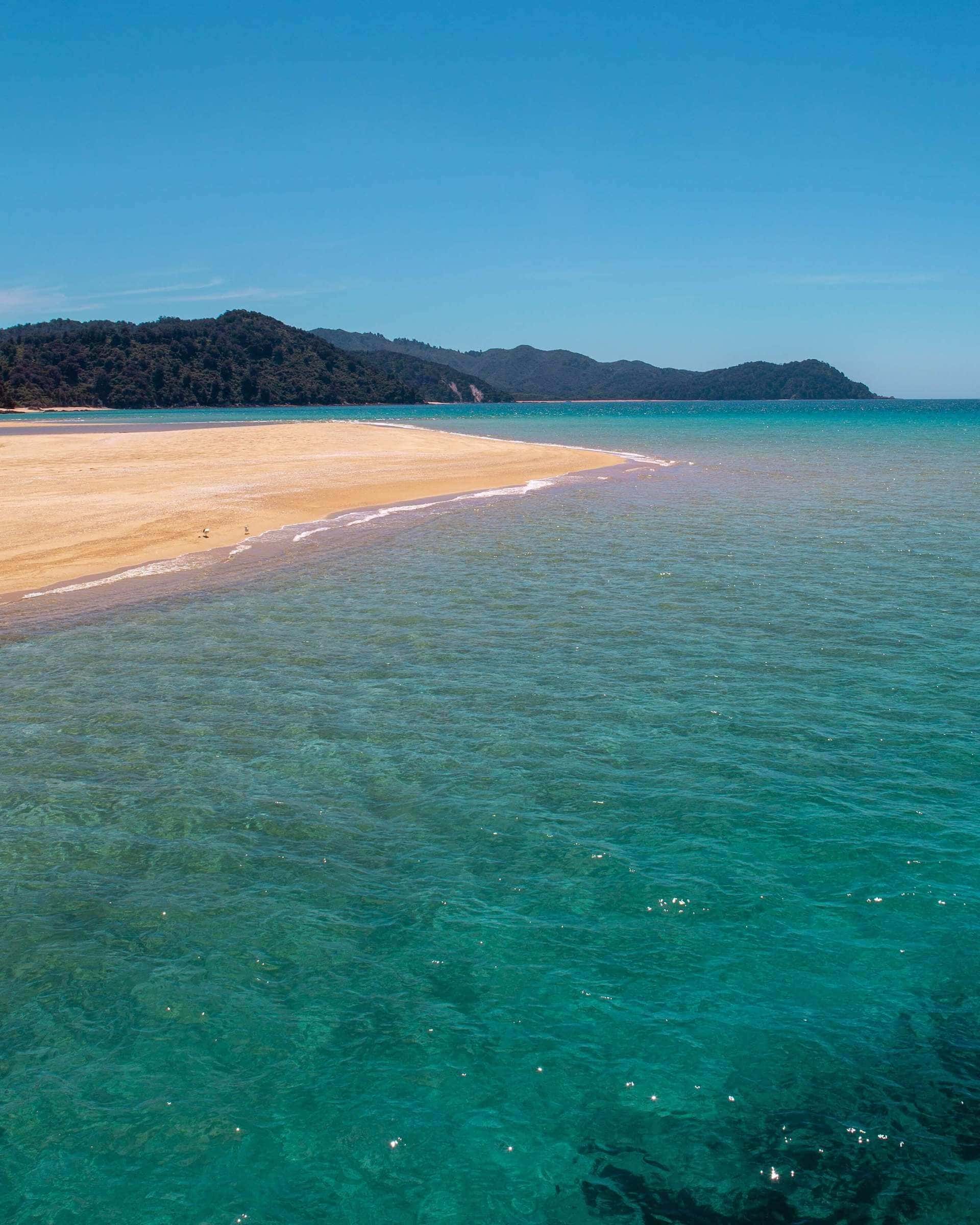
Pack and shelter. DOC's multi-day gear list suggests a 40–60 litre backpack with a waterproof or plastic pack liner to keep your gear dry. Add a 3–4 season sleeping bag. If you're staying in huts, check what they provide. DOC's Great Walk huts have bunks and mattresses but no bedding, and on the Abel Tasman Coast Track the huts have no gas for cooking or lighting. If you're camping, you'll need a tent and sleeping mat too.
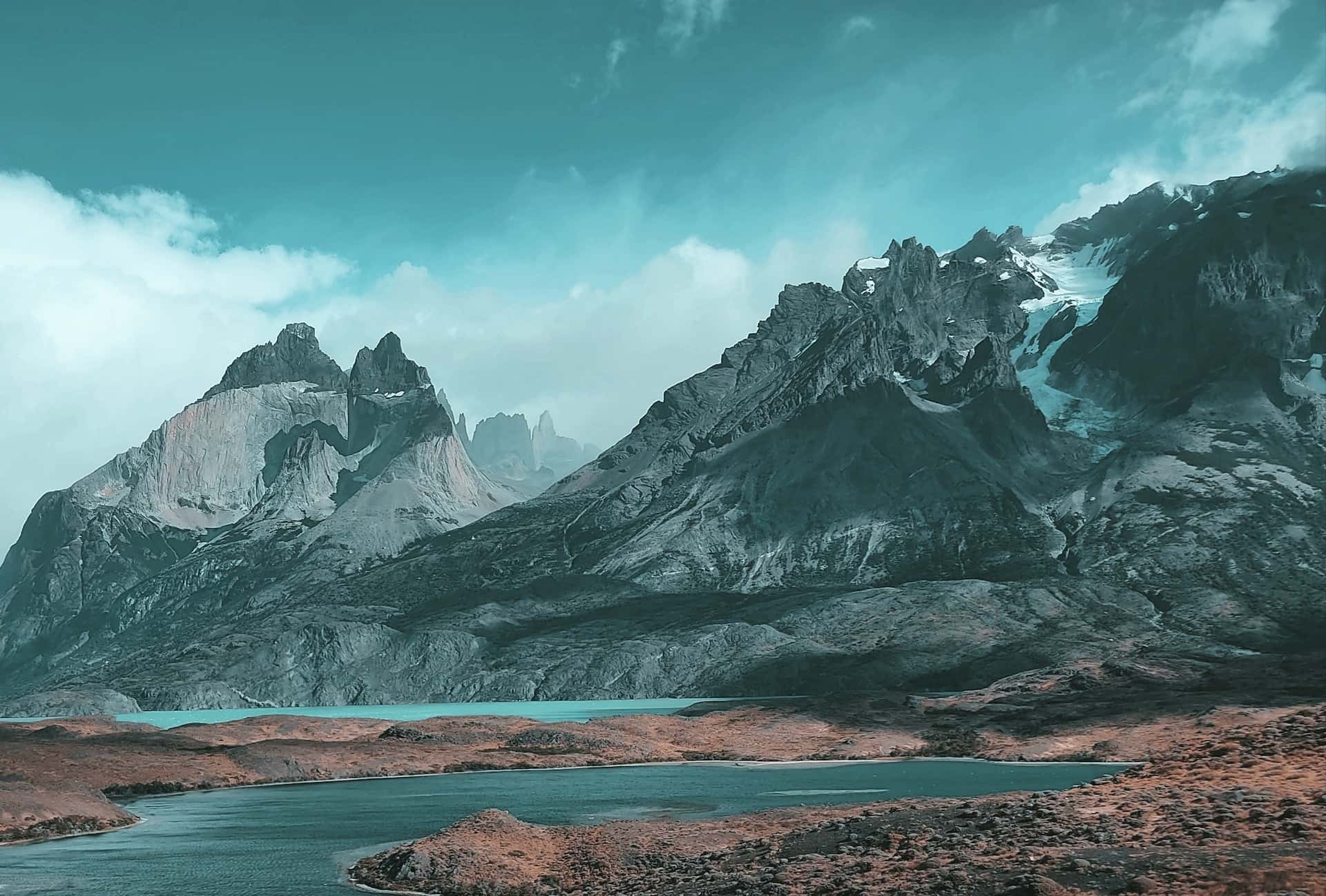
Kitchen. Bring a stove and fuel, a lighter or waterproof matches, a pot, utensils and a cup. DOC reminds walkers that you can't buy food on the track. Check each track's rules too. In Torres del Paine, CONAF prohibits lighting fires and only allows stoves that don't burn plant material.
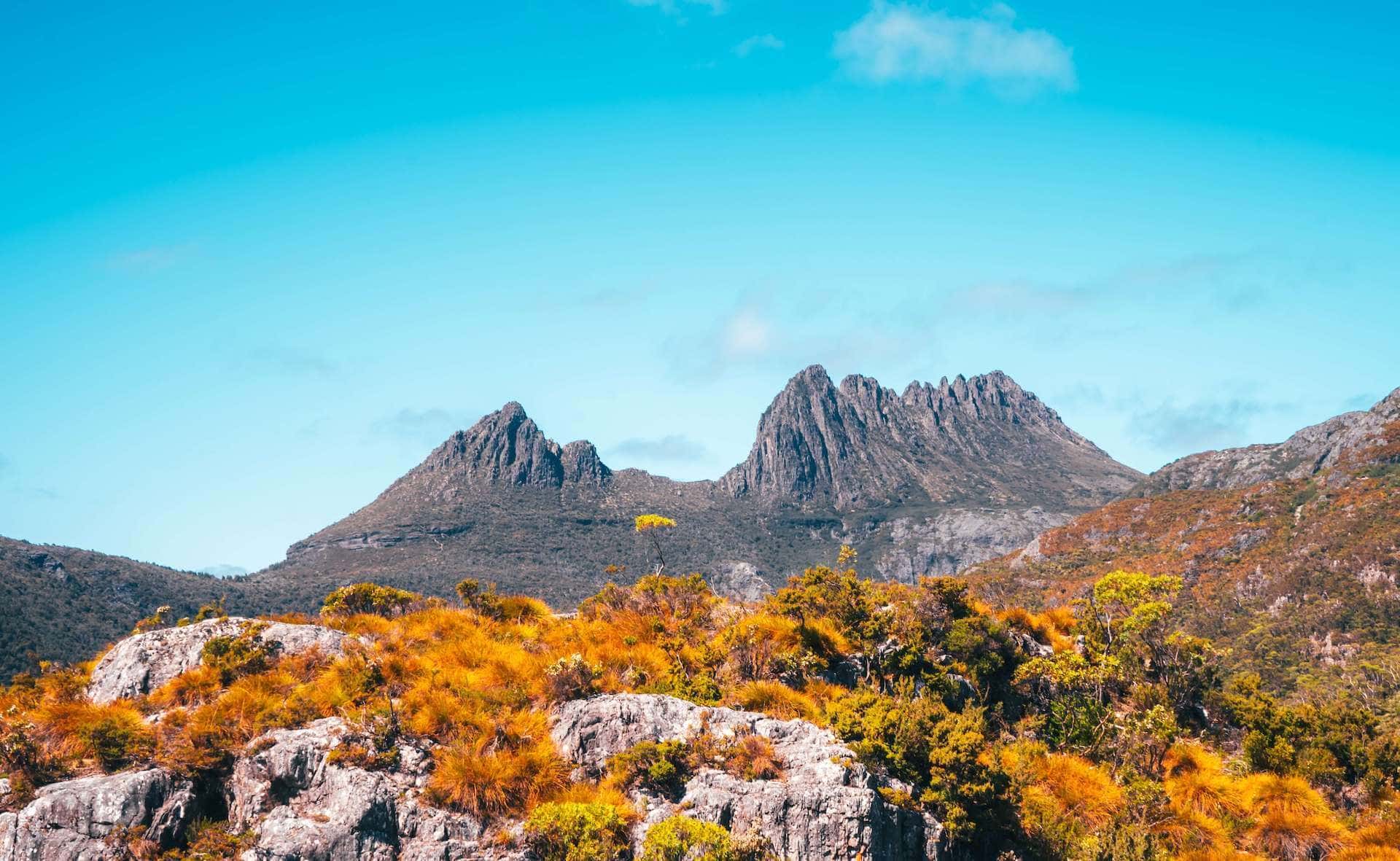
Safety kit. Pack a first-aid kit with blister care, a headlamp with spare batteries, and a survival kit. DOC's version includes a survival blanket, whistle, paper, pencil and high-energy snacks. Carry a distress beacon. DOC lists one on its gear list, and Tasmania Parks and Wildlife Service notes that many Overland Track walkers carry a Personal Locator Beacon (PLB), which you can hire locally.
Dress in layers, and skip the cotton
Mountain weather changes fast, so build a system you can add to or take off: a wool or synthetic base layer, a fleece or wool mid-layer, and a waterproof, windproof jacket with a hood plus overtrousers. Add a warm hat, gloves, a sunhat and sunglasses. DOC is blunt about cotton. Jeans, T-shirts and sweatshirts won't keep you warm when they're wet. Wear wool or synthetic socks and well broken-in boots.
DOC also suggests one set of clothes to walk in and a separate dry set for camp and sleeping, since hut bunkrooms aren't heated and you can't count on drying your gear there. Tasmania's park service puts it starkly: deaths have occurred on the Overland Track when people were caught unprepared in cold, wet and windy weather.
Water: carry it, then treat it
Don't assume stream or hut water is safe. On the Abel Tasman Coast Track, DOC says hut and campsite water is untreated and should be boiled before use. The CDC calls boiling the best way to kill germs: bring clear water to a rolling boil for 1 minute, or 3 minutes above 6,500 feet. The next best option is to filter and then disinfect. A filter with a pore size of 0.3 micron or smaller removes bacteria and parasites but not viruses. Chlorine and iodine kill bacteria and viruses but don't work well on parasites. Chlorine dioxide tablets can kill Giardia. If you use chemicals, follow the product's waiting time.
Food: plan every meal, plus a spare day
Plan each breakfast, lunch, dinner and snack for the number of nights you'll be out, and choose light, energy-dense food. Then add extra. The NPS suggests an extra day's supply of no-cook, nutrient-dense food, such as trail mix or granola bars. DOC says to carry emergency food in case weather delays you. Leave No Trace also recommends repackaging food at home to cut down on trash, which you'll carry out anyway.
Navigation and planning
Carry a paper map and compass even if you use a GPS or phone app. The NPS recommends physical maps as a backup, and both DOC and Tasmania's park service list a map and compass. Study the route before you go. Some tracks have hazards that depend on timing. On the Abel Tasman Coast Track, the Awaroa Inlet can only be crossed within 1 hour 30 minutes before and 2 hours after low tide, and only in daylight. Torres del Paine prohibits hiking without daylight and only allows travel on authorized trails marked on the official map.
Book ahead where it's required. Abel Tasman huts and campsites must be booked in advance year round, and in Torres del Paine CONAF strictly prohibits overnight stays outside authorized areas.
Leave No Trace on overnight trips
Leave No Trace's seven principles are: plan ahead and prepare, travel and camp on durable surfaces, dispose of waste properly, leave what you find, minimize campfire impacts, respect wildlife, and be considerate of other visitors. They matter most when you sleep out. Camp at least 200 feet from lakes and streams. Where there's no toilet, dig catholes 6 to 8 inches deep, at least 200 feet from water, camp and trails. Carry wash water 200 feet away from streams or lakes. Use a stove instead of a fire, and never feed animals.
“Pack for the worst day you could have on the trail, not the best one.”
— Great Hikes team
Safety before you set out
Tell someone your plans and when you expect to be back, as DOC's Land Safety Code advises. For a first trek, choose a well-marked route with huts or set campsites, and keep your daily distances modest. Walk with company. CONAF tells Torres del Paine visitors to hike accompanied. Check the weather forecast often, and be ready to wait out a storm rather than push through it.
Track conditions, booking rules, fire bans and seasonal requirements change. Always check current conditions and regulations with the park authority before you go: DOC for New Zealand, Tasmania Parks and Wildlife Service, CONAF for Torres del Paine, or the National Park Service in the US.
Sources
- NPS – The Ten Essentials
- NPS – Leave No Trace Seven Principles
- Leave No Trace – The Seven Principles
- Leave No Trace – Principle 3: Dispose of Waste Properly
- CDC – Water Treatment Options When Hiking, Camping, or Traveling
- DOC – Overnight and multi-day tramp gear list
- DOC – Milford Track: What to take
- DOC – Abel Tasman Coast Track
- Tasmania Parks and Wildlife Service – Planning for the Overland Track
- CONAF – Parque Nacional Torres del Paine