Guide
Planning the Camino Francés: credential, stages and when to go
Your first Camino, step by step: how to get a pilgrim passport, what the Compostela requires, Saint-Jean or Sarria, how public albergues work and when to cross the Pyrenees, from official sources.
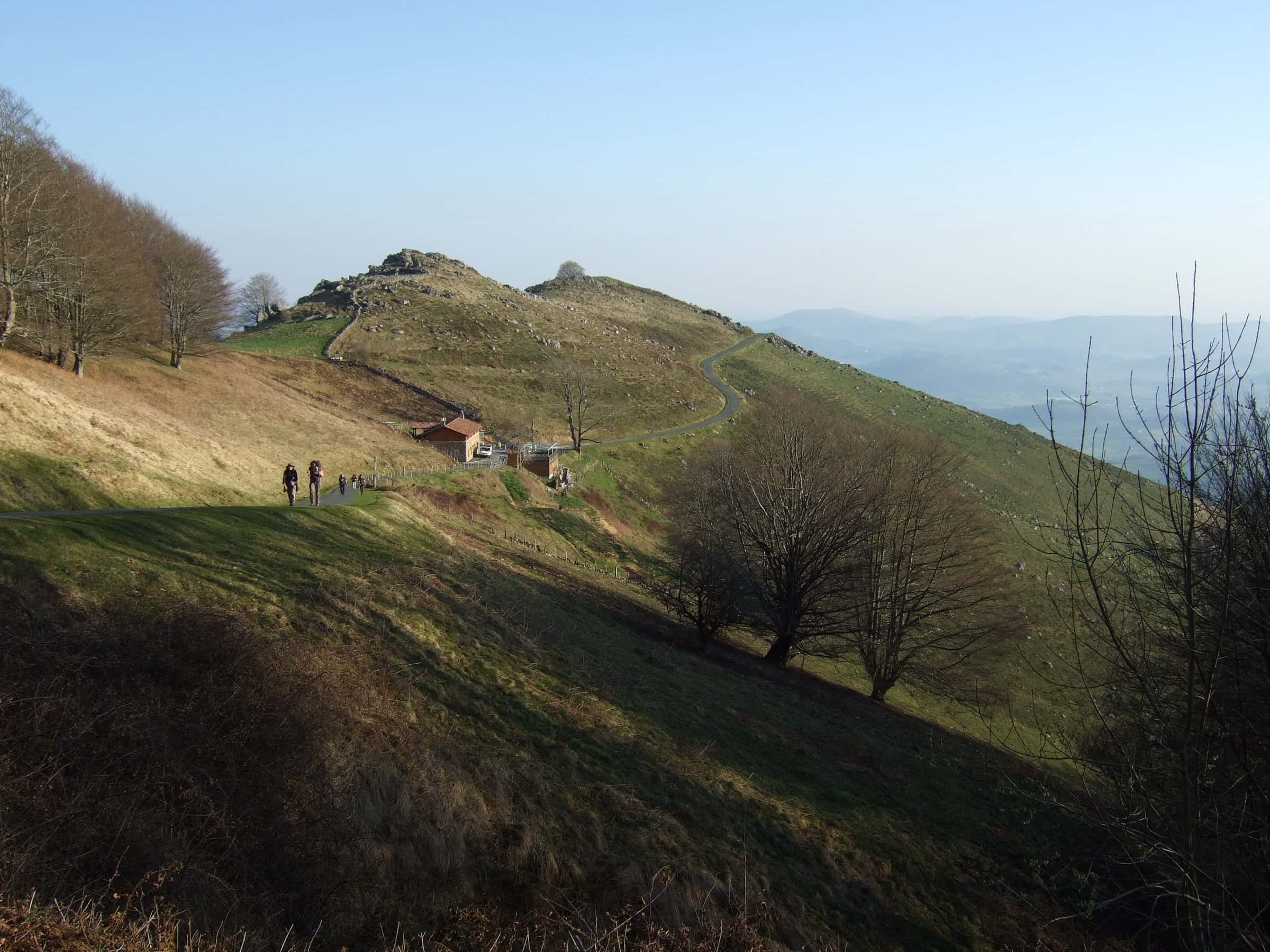
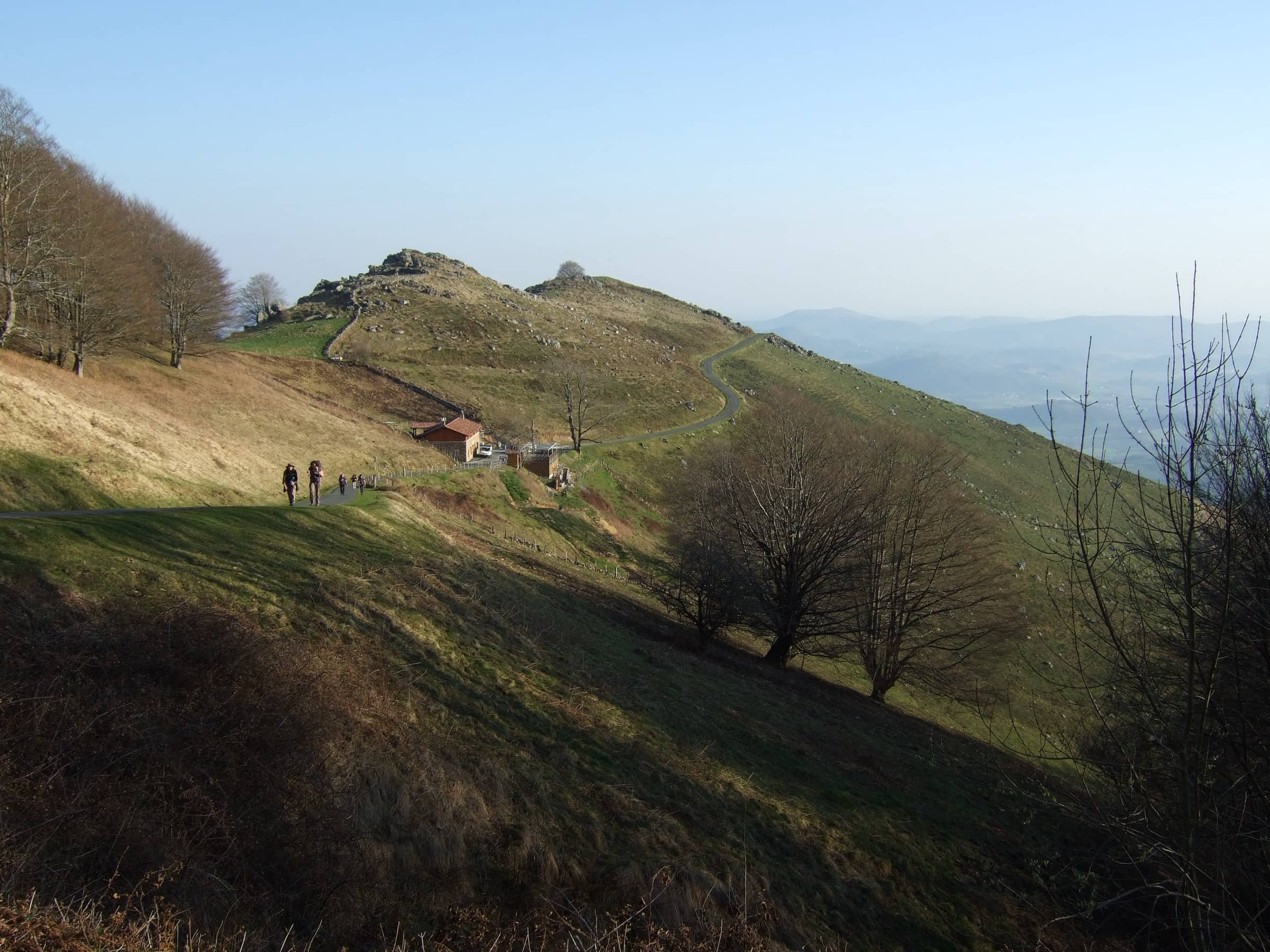
Photo: Marathoni62 · CC BY-SA 3.0
The Camino Francés, or French Way, is the classic route of the Camino de Santiago. Galicia's official Xacobeo site calls it the Way of St James with the greatest historical tradition and the most internationally recognized, and it was already described in 1135 in the Codex Calixtinus, a medieval guide for pilgrims. From Saint-Jean-Pied-de-Port in the French Pyrenees it runs about 780 km (roughly 485 miles) west across northern Spain, through Navarre, La Rioja, Castile and León and Galicia, to the Cathedral of Santiago de Compostela.
You don't need a permit to walk it, and you don't need to walk it all at once. What you do need is a little planning: a pilgrim passport, a sensible starting point, a season that suits you and a plan for where to sleep. Here's how it works, using the rules as the Pilgrim's Office and Galicia's Xunta publish them.
Your pilgrim passport: the Credencial
The Credencial del Peregrino is the document you carry along the Way and get stamped as you go. The Pilgrim's Reception Office in Santiago lists where to get one: at the office itself (Rúa Carretas 33, Santiago de Compostela), at parish churches and dioceses, from Confraternities of St James and authorized pilgrim associations in Spain and around the world, at pilgrim hostels, and through an official digital version for Android and iOS. If you start in Saint-Jean-Pied-de-Port, the pilgrim welcome office there is at 39 rue de la Citadelle and helps walkers prepare before they set off.
According to the Pilgrim's Office, stamps are normally collected where you sleep, such as hostels, but you can also get them at parish churches, monasteries, cathedrals, hotels, town halls and other places. The office notes that the Credencial is meant for pilgrims on foot, by bicycle or on horseback who wish to make the pilgrimage with a Christian sentiment.
The Compostela and where to start
The Compostela is the certificate the Cathedral issues to pilgrims at the end of the Way. In the Pilgrim's Office's current wording, you need to complete at least 100 continuous kilometers on the same route to Santiago on foot or on horseback (at least 200 km by bicycle), and the last stage must be the one leading into Santiago's Cathedral. If you start outside Spain, at least 70 km of that distance must be in Spain. You show your duly stamped Credencial at the Pilgrim's Reception Office, and the Compostela is given to those who make the pilgrimage for Christian reasons.
That rule shapes the big choice: where to begin. Saint-Jean-Pied-de-Port is the traditional start of the full Camino Francés, the last stop on the Way in France before the crossing into Spain. Spain's official tourism site, spain.info, points to Sarria as the popular starting point for a shorter walk because walking from there entitles you to the Compostela. Many people do neither end to end: spain.info notes that the Camino is usually done in sections and that most people spend about a week on it, which is usually enough for about 200 km (about 125 miles). Coming back in later years to continue is completely normal.
Stages and how long it takes
Spain.info counts about 32 stages on the French Way, and its featured full itinerary from Saint-Jean to Santiago takes 38 days. Stage lengths and the number of days you need vary with your pace, rest days and where you choose to sleep, so treat any plan as a starting point and build in slack for sore feet.
The first stage is the hardest. Pays Basque tourism describes it as a 27 km (about 17 mile) mountain climb through the Basque Pyrenees to Roncesvalles, around 7 hours of walking, and spain.info calls it very difficult and physically demanding. Plan it as a full day. Further west, the Way enters Galicia at O Cebreiro; Xacobeo lists the Galician section at 155 km via San Xil or 162.2 km via Samos, passing Triacastela, Sarria, Portomarín, Palas de Rei, Melide and Arzúa on the way to Santiago.
Where to sleep: albergues
Pilgrim hostels, or albergues, are the backbone of the Camino, but spain.info notes you can also choose rural houses, hotels, Paradors, hostels and campsites. In Galicia, the Xunta runs a network of public albergues with clear published rules. Reservations are not accepted. Beds go in order of arrival, with priority given first to pilgrims with physical limitations, then walkers, then pilgrims on horseback, then cyclists, then people traveling with a support vehicle.
You can stay one night only, except in case of illness or force majeure, and the price is €10 per person per night. Doors open at 1:00 pm and close at 10:00 pm, lights go out at 10:30 pm (except in common areas), and you must leave before 8:00 am. Expect dormitories, hot showers, a kitchen and laundry facilities, with disposable bedding provided. In busy months, many pilgrims book private accommodation ahead for peace of mind.
When to go
You can walk the Camino at any time of year, but spain.info says it is especially pleasant in spring and from September to October, when temperatures are milder and there is less rain.
Winter also changes the first stage. The high Route Napoléon over the Pyrenees is closed from 1 November to 31 March, and Visit Navarra says that in those months the lower route through Luzaide/Valcarlos is the only possible route. Visit Navarra also recommends Valcarlos whenever the weather is bad, at any time of year. Mountain weather here can change fast, so check the forecast and current advice at the pilgrim office in Saint-Jean before you leave, and don't attempt the high route when it's closed.
“Get your Credencial before you go, start slower than you think you need to, and let the weather choose your route over the Pyrenees.”
— Great Hikes team
Getting there and getting home
Saint-Jean-Pied-de-Port is served by regional TER trains on the line from Bayonne in southwest France; check SNCF's TER Nouvelle-Aquitaine timetables, as replacement buses sometimes run. At the other end, spain.info notes that Santiago's airport is 10 km (about 6 miles) from the city, high-speed trains link Santiago with Madrid, and the bus station connects to other Galician cities and to countries including Portugal and France.
Safety and respect
Walking day after day for weeks is a real test of feet and stamina, so break in your footwear before you go, carry rain gear and warm layers for the mountains, and stick to the waymarked route. Respect the albergue rules and quiet hours, carry your rubbish out, and remember that churches and the Cathedral are places of worship as well as landmarks.
Another classic European long walk
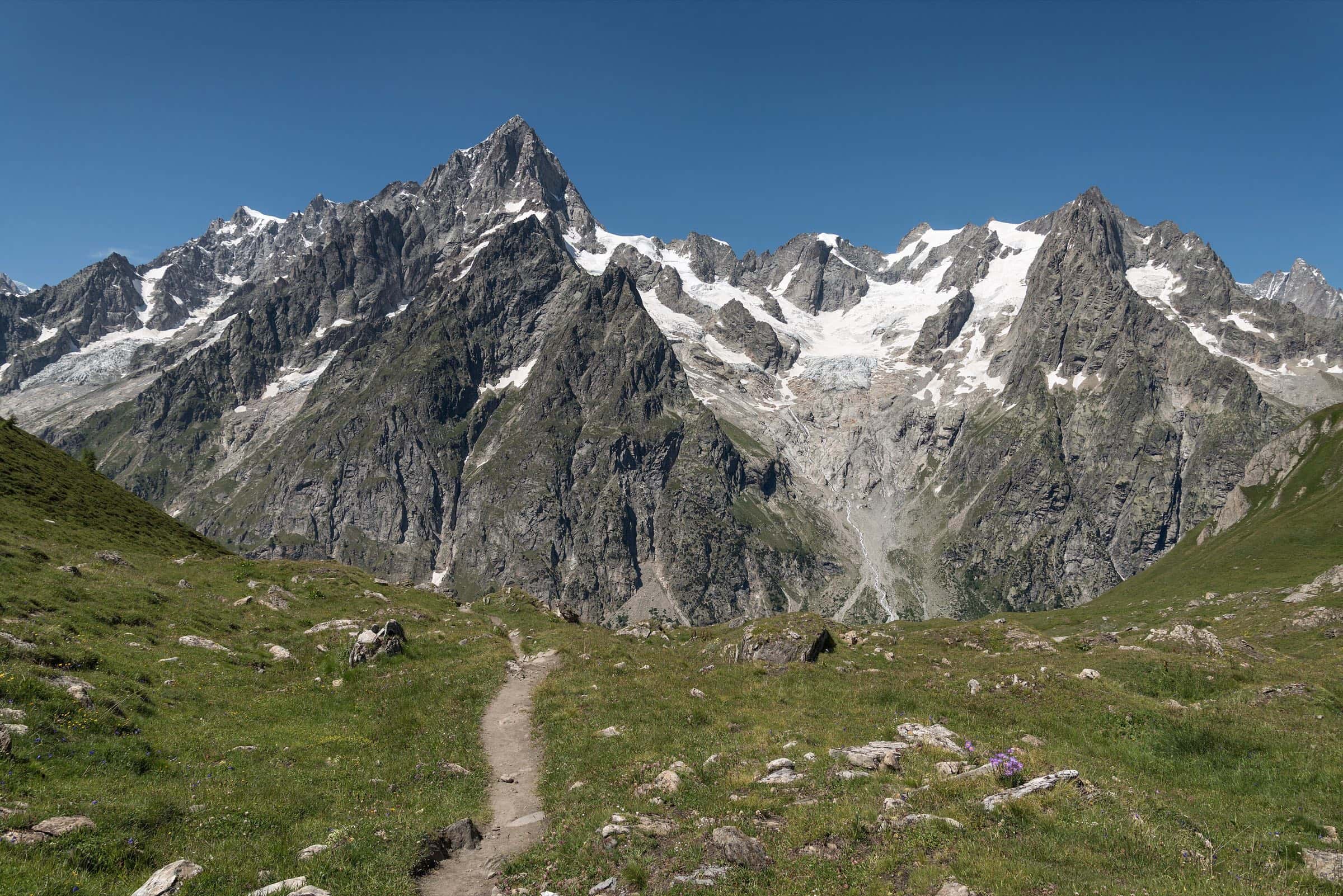
If you're drawn to multi-week walking in Europe but want high mountains instead of a pilgrimage, the Tour du Mont Blanc circles the Mont Blanc massif through France, Italy and Switzerland.
Rules, prices and route conditions change. Always check the current requirements with the Pilgrim's Reception Office (oficinadelperegrino.com) and Galicia's official Xacobeo site (caminodesantiago.gal) before you go.
Sources
- Pilgrim's Reception Office (Oficina del Peregrino) – The Compostela
- Pilgrim's Reception Office (Oficina del Peregrino) – The Credencial
- Xacobeo / Xunta de Galicia – Camino Francés (Galician section, history)
- Xacobeo / Xunta de Galicia – Public pilgrim hostel network (rules, price, no reservations)
- Spain.info (Turespaña) – The French Way of Saint James (stages, best time, accommodation, Sarria)
- Spain.info (Turespaña) – The French Way from St Jean Pied de Port to Santiago (distance, 38-day itinerary, Pyrenees stage)
- Spain.info (Turespaña) – Santiago de Compostela (airport, train, bus)
- Visit Navarra – Camino Francés: Saint-Jean-Pied-de-Port to Roncesvalles (Valcarlos route, winter closure)
- Pays Basque tourism – Saint-Jean-Pied-de-Port (pilgrim welcome office, Pyrenees stage)
- SNCF TER Nouvelle-Aquitaine – Saint-Jean-Pied-de-Port station departures (Bayonne line)