Guide
Half Dome permits 2027: how the lottery works
Preseason lottery, daily lottery, fees, group size and what to hike if you don't win: a step-by-step guide to Half Dome permits, using the rules NPS has published for the latest season.
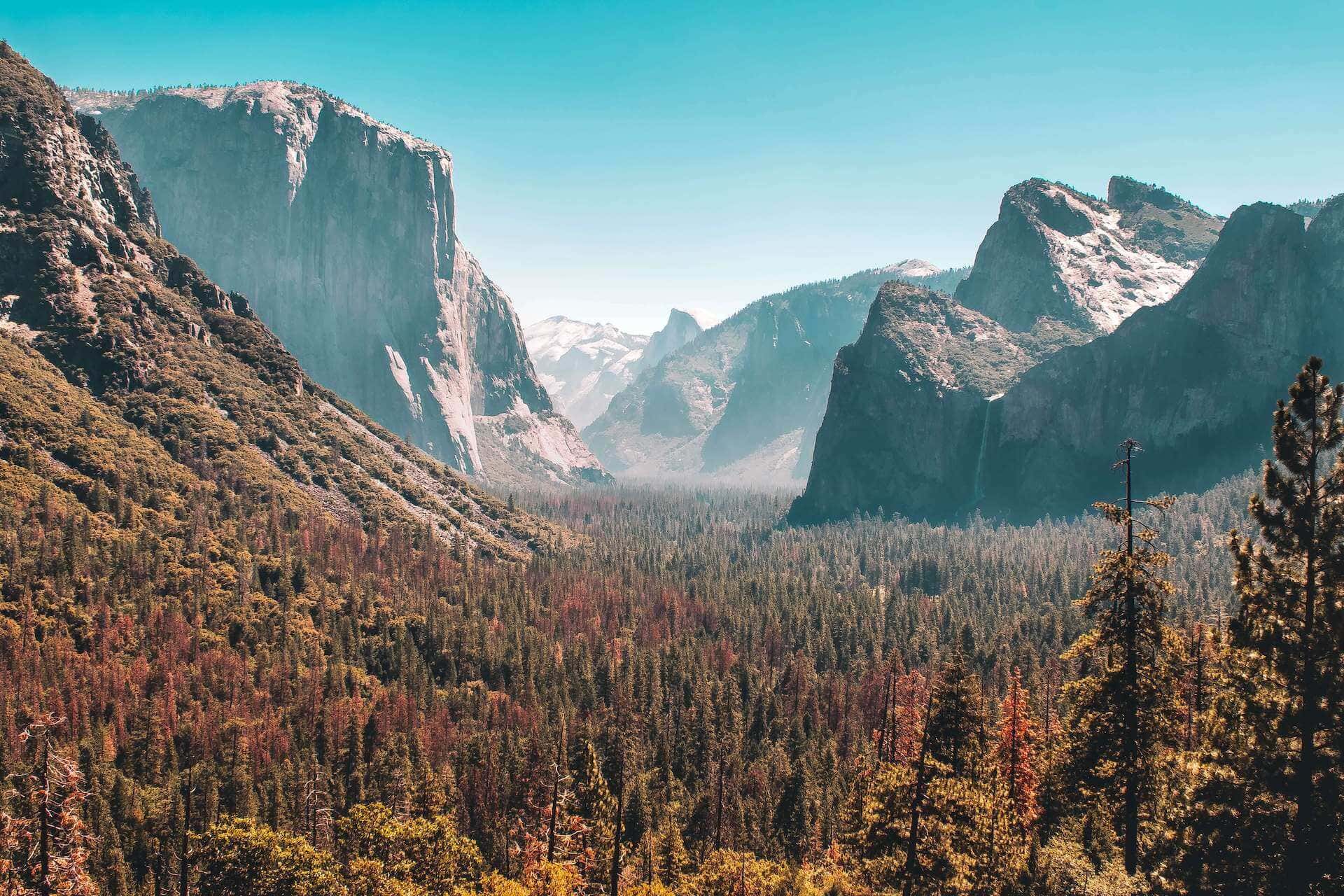
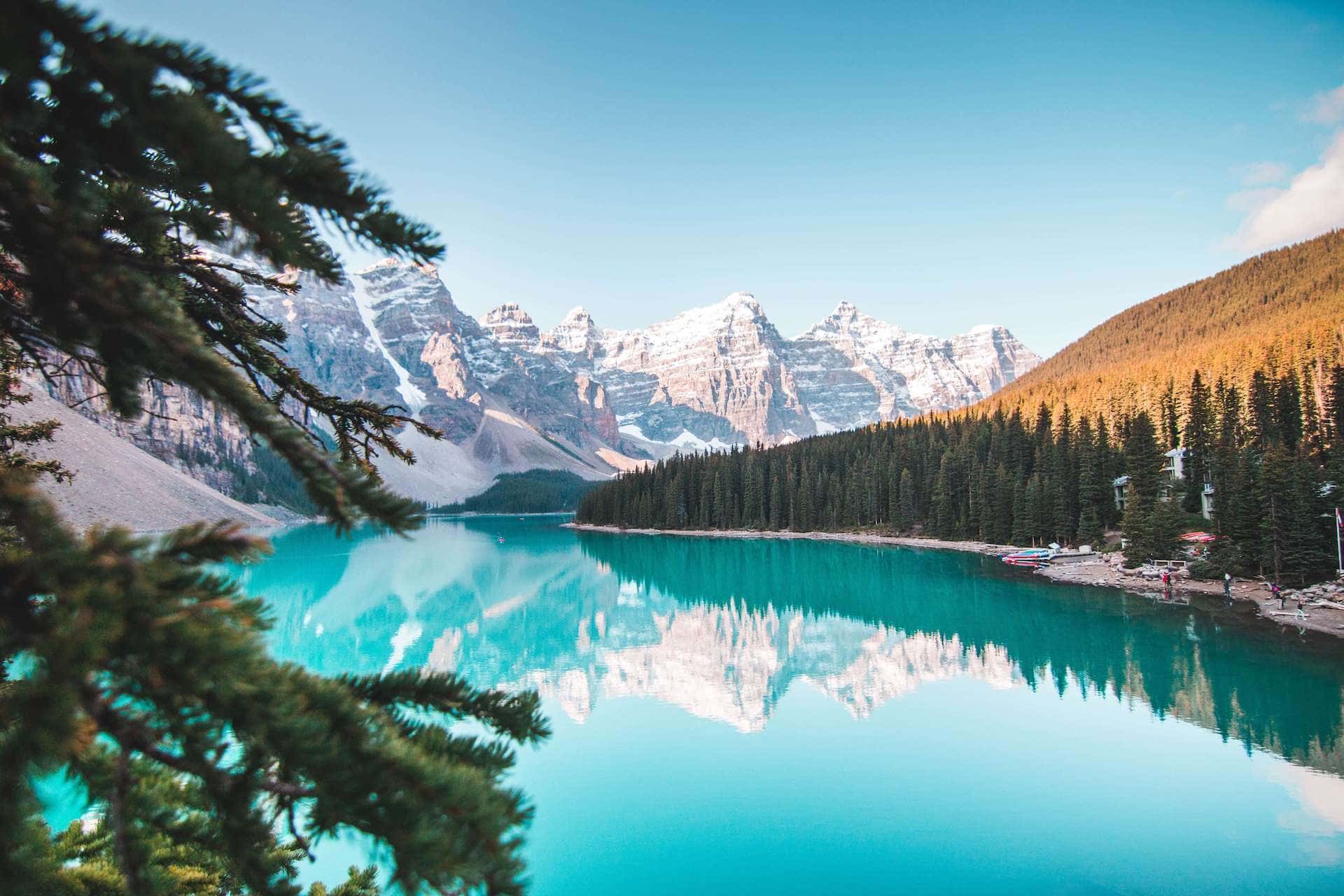
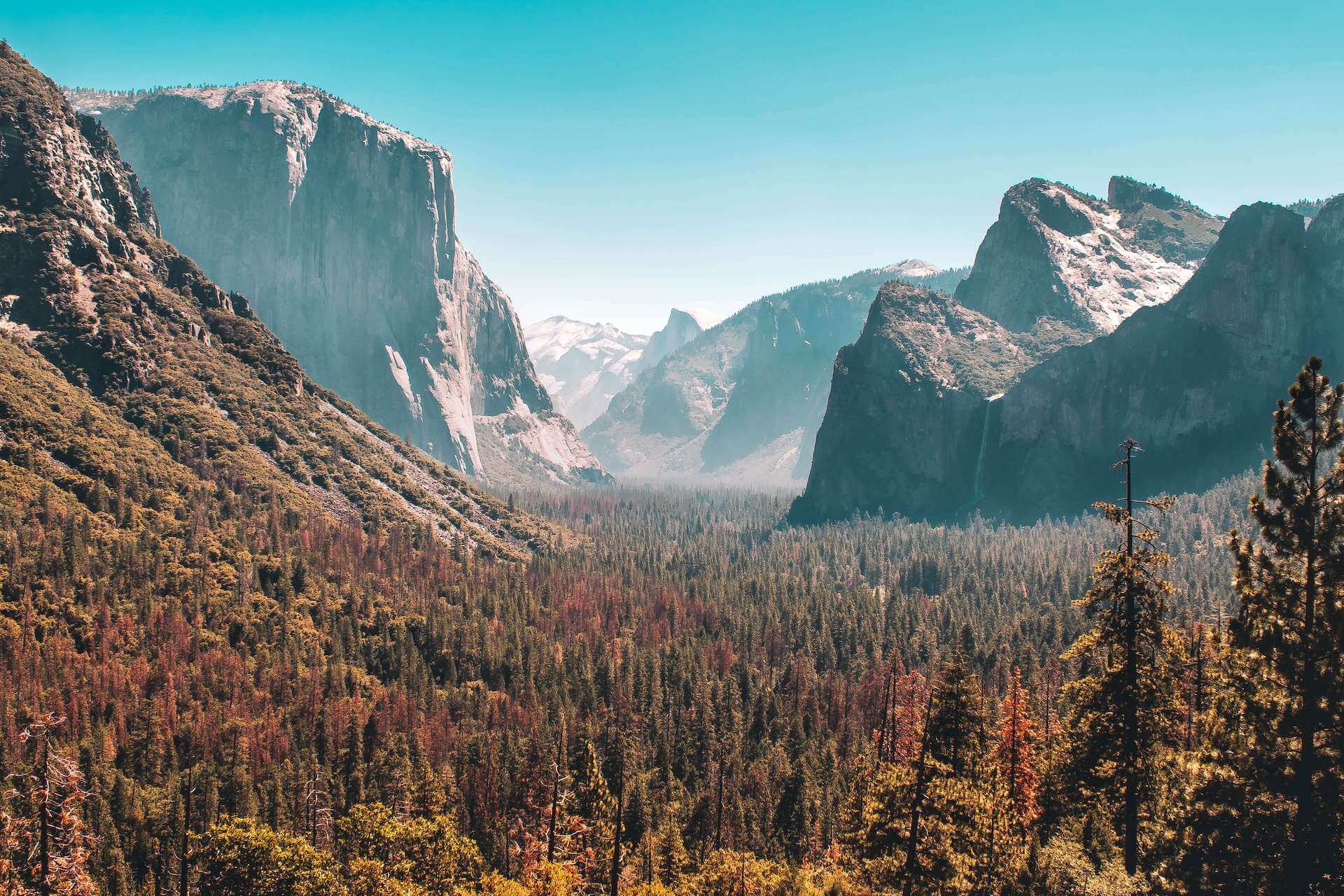
Photo by Mathilda Khoo on Unsplash
Half Dome rises nearly 5,000 feet (about 1,520 m) above Yosemite Valley, and the last 400 feet (about 120 m) to its summit are climbed on two metal cables. To protect the wilderness, reduce crowding and improve safety, the National Park Service (NPS) requires a permit to hike to the top seven days a week whenever the cables are up. Day hiker permits are given out by lottery through Recreation.gov.
A quick note on dates: as of October 2026, NPS has not published anything specific to the 2027 season. Everything below is the process as NPS and Recreation.gov publish it for the 2026 season. The rules have a fixed yearly rhythm, but check nps.gov/yose for 2027 updates before you apply.
The season and the daily limit
NPS says the cables are normally up from the Friday before Memorial Day (the last Monday in May), and the last day to use them is the day after the second Monday in October. These dates can change with conditions, so check the park's current status. If the cables aren't up on the date of your permit, the per-person permit fee is refunded.
A maximum of 300 hikers a day are allowed on the Half Dome Trail beyond the base of the Sub Dome: about 225 day hikers and 75 backpackers. Rangers check permits at the base of the Sub Dome, so without a permit, that's where your hike ends.
Step 1: the preseason lottery (March)
Most permits go out in one preseason lottery. For the 2026 season it worked like this:
Application window: March 1 through March 31 (Eastern time), online at Recreation.gov or by phone at 877-444-6777. Permits: 225 for each day of the season. Group size: up to six permits (six people) per application. Dates: you can list specific dates or date ranges in priority order; Recreation.gov allows up to seven choices. Your application only wins if the full number of permits you asked for is available on at least one of your dates, and you're awarded the highest-priority date that works. Results: an email in mid-April, also available online or by calling Recreation.gov.
Fees: a $10 application fee, charged per application (not per person) and not refundable. If you win, there's a second fee of $10 per person. That one is fully refundable if you cancel by 11:59 pm Pacific time the day before your hike.
Name a permit holder and, if you can, an alternate, who must accept the role on Recreation.gov in time. Each person can appear on only one preseason application. Applying more than once gets all your applications canceled, and names can't be changed after you submit.
Step 2: the daily lottery (two days ahead)
If you miss out in March, there's a daily lottery all season long. How many permits there are depends on expected cancellations and no-shows, so it varies by day. You apply two days before your hike date, between midnight and 4 pm Pacific time. To hike on a Saturday, for example, you apply on Thursday. You'll get an email late that evening, and results are also online or by phone the next morning. Daily applications only allow a permit holder, with no alternate. The same $10 application fee and $10-per-person permit fee apply.
In 2024, NPS reports, 22% of preseason and 19% of daily applications won, with better daily odds on weekdays. Past odds don't predict future ones.
“Flexible on dates? Pick weekdays, list every date you could make, and keep the daily lottery as your plan B.”
— Great Hikes team
What your permit covers
A day hiker permit lets your group go beyond the base of the Sub Dome and climb the Sub Dome steps and the cables, on the date shown on your permit only. It doesn't include any camping or lodging before, during or after your hike. Permits can't be transferred, and the permit holder or the alternate must be with the whole group at the base of the Sub Dome. Bring a photo ID and the email confirmation showing that the permit has been paid.
Backpacking? Don't use the day hiker lotteries if you're camping in Little Yosemite Valley or starting an overnight trip in Yosemite. Request Half Dome permits with your wilderness permit instead. NPS sets aside about 75 backpacker permits a day at $10 per person. Starting outside Yosemite? Then you need the day hiker lotteries.
No permit? Great Yosemite hikes that don't need one
Yosemite has plenty of big days that need no lottery. Here are the NPS figures:
Mist Trail to Vernal Fall and Nevada Fall: from near Happy Isles, it's 2.4 mi (3.9 km) round trip to the top of Vernal Fall, gaining 1,000 ft (300 m), about 3 hours. To the top of Nevada Fall via the Mist Trail it's 5.4 mi (8.7 km) round trip, gaining 2,000 ft (610 m), 5 to 6 hours. The Mist Trail's granite stairway has more than 600 steps, and spray makes it slippery in spring. NPS has limited the section along Vernal Fall to certain days in some seasons, so check before you go.
Upper Yosemite Fall: the Yosemite Falls Trail starts near Camp 4. It's 2 mi (3.2 km) round trip to Columbia Rock, gaining 1,000 ft, 2 to 3 hours. The full climb to the top of the fall is 7.2 mi (11.6 km) round trip, gaining 2,700 ft (823 m), 6 to 8 hours.
Clouds Rest: from the Sunrise Lakes trailhead on Tioga Road, it's 14 mi (22.5 km) round trip, gaining 2,300 ft (700 m), 8 to 10 hours, to a 9,926 ft (3,025 m) summit with 360-degree views. You can only drive to the trailhead when Tioga Road is open. NPS says that's typically late May or early June until sometime in October or November.
Safety on the cables
The full Half Dome hike is 14 to 16 miles (22.5 to 26 km) round trip, with about 4,800 feet (1,460 m) of elevation gain. Most people take 10 to 12 hours. NPS suggests leaving around sunrise and setting a firm turnaround time. Carry a headlamp with extra batteries (a phone doesn't count). Bring at least 1 gallon (4 liters) of water per person. Sturdy, grippy gloves help on the cables, but pack them out.
Don't go up the cables if the rock is wet. NPS says nearly all fatal falls from the cables happened in wet conditions, when the rock and cables are very slick. Don't climb when storm clouds are around either. The summit is dangerous in lightning, and thunderstorms are most common in the afternoon but can happen at any time. If a storm comes close, don't keep going. If you're on top, leave the summit area, carefully.
Permit rules, fees and dates can change from year to year. Before you apply, and again before you hike, check the current Half Dome rules and conditions with Yosemite National Park at nps.gov/yose and the lottery details at Recreation.gov.
Sources
- NPS Yosemite – Half Dome Permits for Day Hikers (lotteries, fees, rules)
- NPS Yosemite – Half Dome Day Hike (distance, safety, water, gloves, lightning)
- NPS Yosemite – Half Dome Permits for Backpackers
- NPS Yosemite – Half Dome Permit Lottery Statistics (2024 season)
- NPS Yosemite – Current Conditions (cables status, 2026 season)
- Recreation.gov – Half Dome Permits, Yosemite National Park
- NPS Yosemite – Vernal Fall and Nevada Fall Trails
- NPS Yosemite – Yosemite Falls Trail
- NPS – Sunrise Lakes Trailhead (Clouds Rest)