Guide
Inca Trail permits, and the best alternatives if they're sold out
How Inca Trail permits really work, why the trail closes every February, how Machu Picchu tickets and circuits fit in, and what to hike instead if the dates you want are gone. Rules straight from Peru's Ministry of Culture and SERNANP.
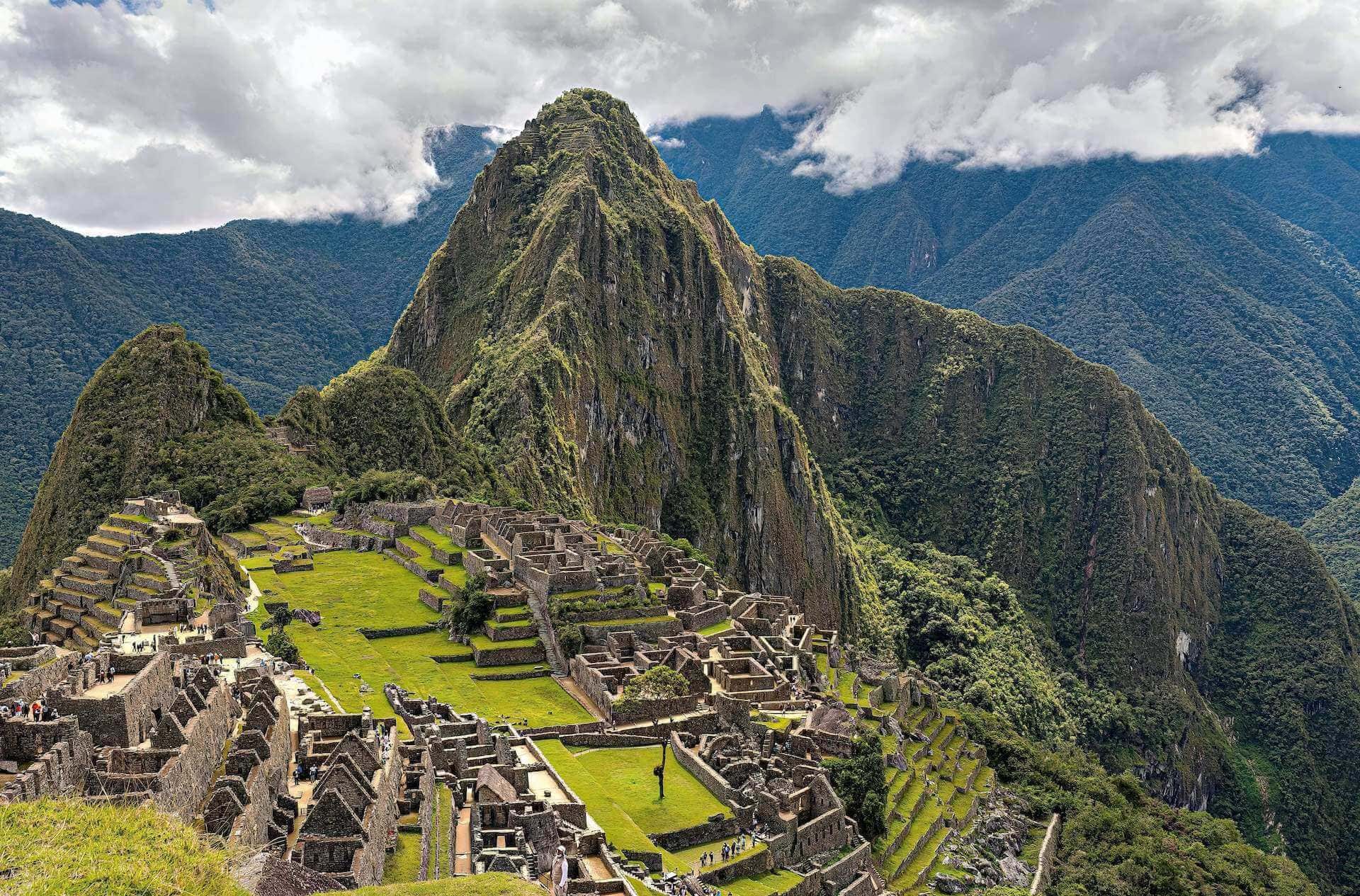
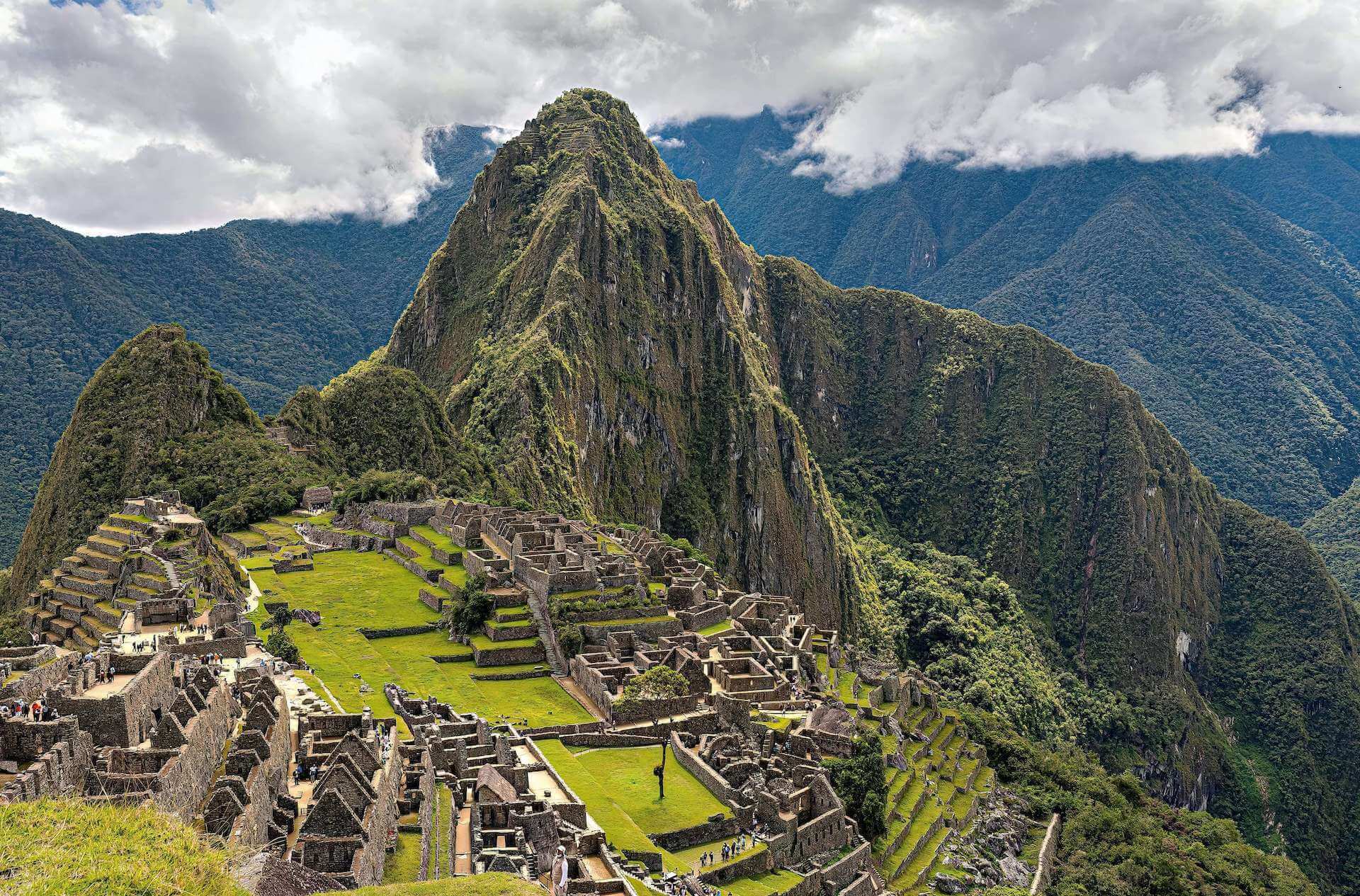
Photo by Alberto Capparelli on Pexels
Walking the Inca Trail to Machu Picchu is on almost every hiker's list, and it's also one of the most tightly managed treks in the world. The trail runs through the Historic Sanctuary of Machupicchu, which is co-managed by Peru's Ministry of Culture and SERNANP, the national protected areas service. Below is how access works, what to book, and the official alternatives if the permits for your dates are gone.
How Inca Trail permits work
You can't buy an Inca Trail permit yourself. SERNANP says entry to the Inca Trail Network is only through travel and tourism agencies authorized by the sanctuary, and it publishes the list of authorized operators on its visitor page. Your operator reserves the permit in your name through the Ministry of Culture's electronic booking system, so pick a company from that list and book through it.
The network is made up of several numbered routes. Route 1, the classic trail, starts at Piskacucho (km 82), and SERNANP recommends 4 days and 3 nights for it. Route 2 starts at Qoriwayrachina (km 88), and Route 4 starts at km 82 and follows the valley floor via Chachabamba in 3 days and 2 nights. Route 5 is the one-day option (more on that below).
Spaces are limited and the booking window opens early. In past years, the Cusco office of the Ministry of Culture (DDC Cusco) opened reservations for the following season in October, month by month. If you have fixed dates, talk to an authorized operator as early as you can, and ask what is included: the trail permit, the guide, and your Machu Picchu entry.
The February closure
The Inca Trail Network closes every February. DDC Cusco uses the month for maintenance and conservation, including clearing vegetation from archaeological sites, consolidating paving and stone stairways, repairing bridges and handrails, and rehabilitating campsites. In 2026 the trail reopened on March 1. February also falls inside the rainy season, which SERNANP lists as November to March. The sanctuary recommends visiting from April to October.
Rain can close the trail at other times as well. On August 18, 2026, unusually heavy rain caused landslides and flooded campsites, and the Ministry of Culture suspended access to the network. Routes 1, 2 and 3 reopened on August 26, and Route 5 stayed open as an alternative. Build a little flexibility into your plans.
Machu Picchu tickets, circuits and rules
Entry to the Inca city itself (the llaqta) is ticketed separately by the Ministry of Culture. Since June 1, 2024 the site has had three circuits containing ten routes. Circuit 1 (Panoramic) includes the Machupicchu Mountain route. Circuit 2 (Classic) covers the designed route through the city and the lower terrace route. Circuit 3 (Royalty) includes the Waynapicchu (Huayna Picchu) route. Some routes, such as the Intipunku (Sun Gate) and Inca Bridge routes, run only in high season. Each ticket is tied to a circuit, a route and an entry time.
Buy tickets online at tuboleto.cultura.pe, the official state platform. You'll need an account registered with your passport and an email address. The ministry also sells up to 1,000 tickets a day in person at its office in Machupicchu Pueblo, valid for entry the next day, and you can check how many are left in real time on the same platform. Bring the passport you booked with, because staff check that your ID and entry time match your ticket.
A few site rules matter for hikers. Bags larger than 40 × 35 × 20 cm (16 × 14 × 8 in) aren't allowed, and neither are walking sticks, food, or drones. Stay on your assigned circuit and route.
Acclimatise before you hike
Most treks start from Cusco, which the CDC lists at about 11,000 feet (roughly 3,350 m), well above the 8,000 ft (2,450 m) level where unacclimatized travelers become at risk of altitude illness. The CDC's travel guidance notes that for Cusco, travelers can first sleep for 1 to 2 nights at elevations lower than the airport before heading up. It also points out that 2 to 3 nights at moderate altitude before going higher strongly protects against acute mountain sickness.
Headache is the main symptom, often with nausea, dizziness, fatigue or loss of appetite. The CDC's rule is simple: never go higher to sleep while you have symptoms, and go down if they get worse. Talk to your doctor before the trip about whether preventive medication makes sense for you.
If permits are sold out: the one-day short Inca Trail
Route 5 is the short Inca Trail. You take the train to Chachabamba (km 104) and walk past Wiñaywayna and through Intipunku, the Sun Gate, to Machu Picchu. SERNANP lists it at 10.5 km, with a recommended time of one day. It's still part of the Inca Trail Network, so it also has to be booked through an authorized operator. Book it as early as the classic route rather than as a last-minute backup.
Route 5 has had a disrupted year. After a geological event at Chachabamba on March 31, 2026, the Ministry of Culture closed the km 104 access and routed hikers in from km 106 (Choquesuysuy) instead. SERNANP announced that the Chachabamba–Wiñaywayna section would reopen on August 1, 2026. In late August the ministry listed entry to Route 5 via both km 104 and km 106. Confirm the current starting point with your operator.
The Salkantay alternative
Salkantay is the big glaciated peak southwest of Machu Picchu, and the treks around it are the best-known alternative to the classic trail. Peru's official tourism board describes a 5-day, 4-night trek from Mollepata, about two hours by road from Cusco, and says hiring a guide is mandatory. Expect real altitude and cold nights. The board gives lows around 1 °C (34 °F).
Be aware that some Salkantay itineraries enter the Inca Trail Network. SERNANP's Route 3 starts at Soraypampa, crosses below Salkantay and joins the classic trail at Wayllabamba (42.1 km, 5 days and 4 nights). That route needs an Inca Trail permit like any other. Treks that don't use the network still finish at the llaqta, so you'll need your own Machu Picchu ticket. Ask your operator which kind you're booking.
“Book the permit early, acclimatise in Cusco, and keep a backup plan. Machu Picchu is worth it whichever way you arrive.”
— Great Hikes team
Before you go
Rules, routes and closures in the sanctuary change, sometimes at short notice after rain or landslides. Always check current conditions and regulations with Peru's Ministry of Culture (machupicchu.gob.pe and DDC Cusco) and SERNANP before you travel, and confirm every booking detail with your authorized operator.
Sources
- SERNANP – Historic Sanctuary of Machupicchu (Inca Trail routes, authorized agencies, seasons)
- Ministerio de Cultura – Machupicchu: Camino Inka routes
- El Peruano – RM 069-2017-MC, Reglamento de Uso Turístico Sostenible de la Red de Caminos Inka
- DDC Cusco – Reservations for the Red de Caminos Inka, 2023 season
- DDC Cusco – Red de Caminos Inka closed February 1–28 for maintenance
- DDC Cusco – Red de Caminos Inka reopens March 1, 2026
- Ministerio de Cultura – Red de Caminos Inka reopened (March 1, 2026)
- Ministerio de Cultura – Access to Red de Caminos Inka suspended due to heavy rain
- El Peruano – Routes 1, 2 and 3 of the Red de Caminos Inka reopen August 26, 2026
- DDC Cusco – Temporary closure of km 104 access (Route 5) after geological event
- SERNANP – Route 5 (Chachabamba–Wiñaywayna) reopens August 1, 2026
- Ministerio de Cultura – Machupicchu circuits and visit routes
- Ministerio de Cultura – Machupicchu online tickets
- Ministerio de Cultura – Machupicchu in-person tickets
- Ministerio de Cultura – Machupicchu rules of conduct
- gob.pe – Buy Machupicchu tickets on Tuboleto.cultura.pe
- CDC Yellow Book – High-Altitude Travel and Altitude Illness
- CDC Yellow Book – Peru
- PromPerú (peru.travel) – Mount Salkantay