Guide
Climbing Kilimanjaro: routes, rules and acclimatisation
Huts or tents, five days or eight, south, west or north: how the routes up Africa's highest mountain differ, why more days on the mountain help, and the park rules every climber needs to know, from Tanzania National Parks and the CDC.
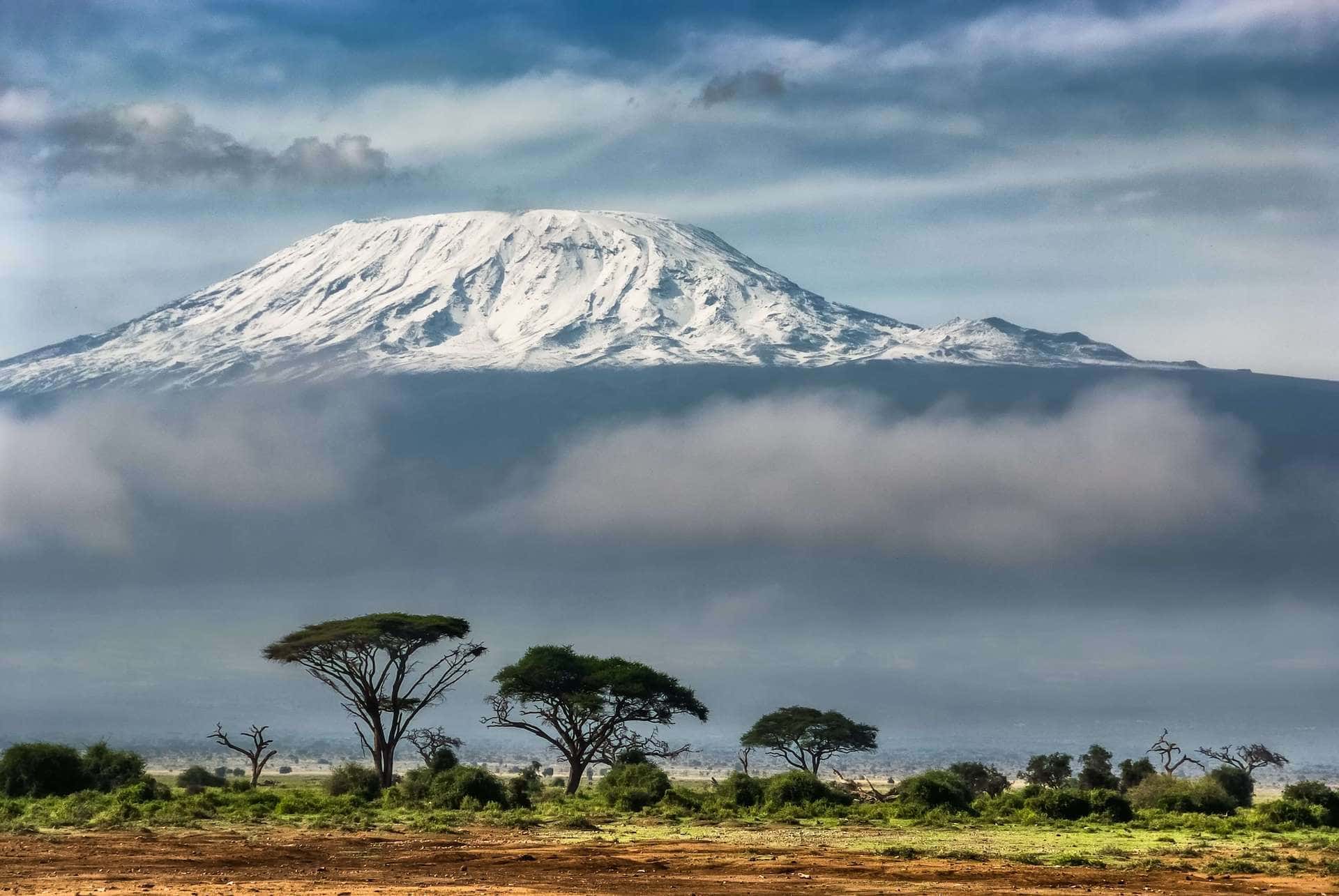
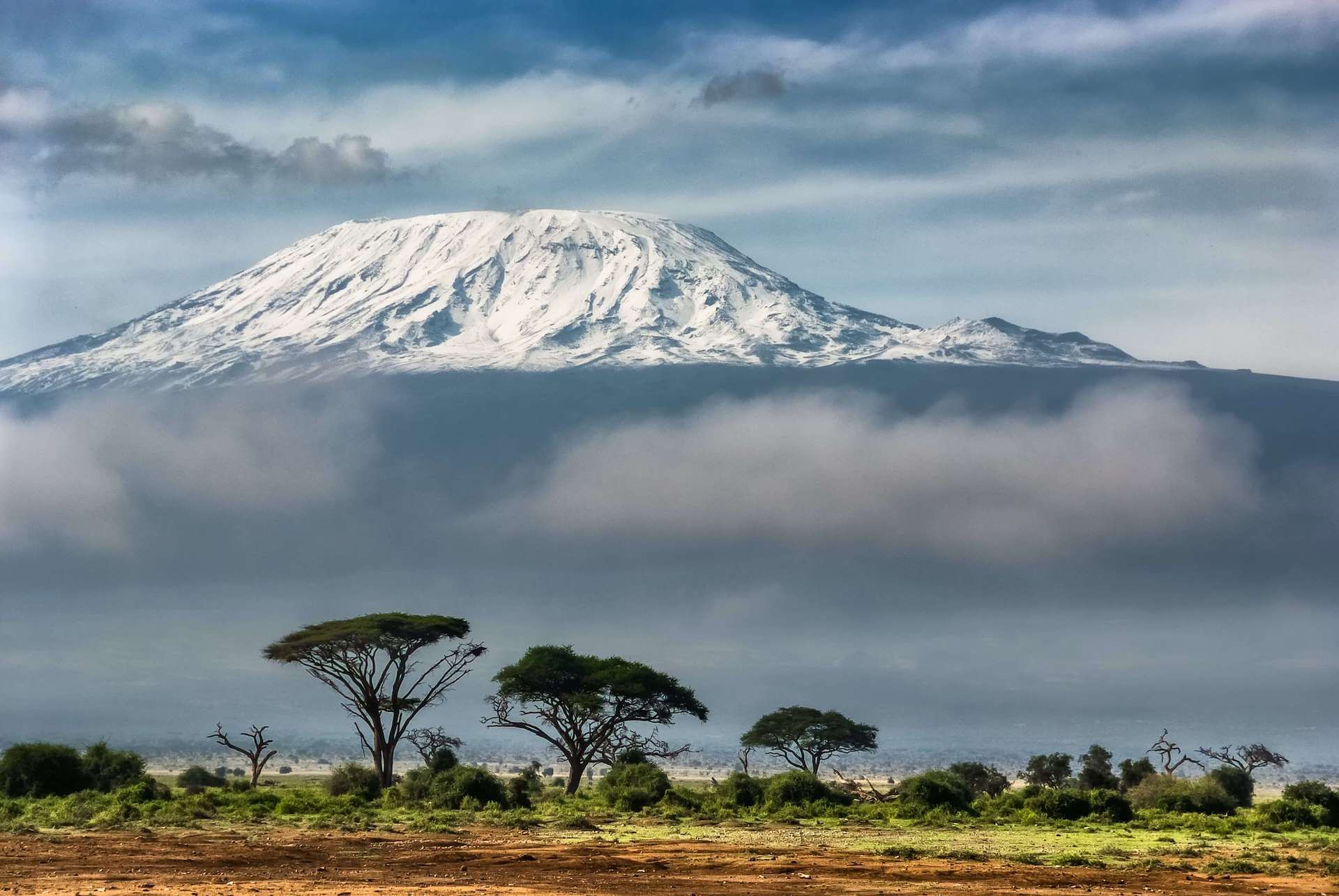
Photo by Sergey Pesterev on Unsplash
Mount Kilimanjaro is Africa's highest peak and, as Tanzania National Parks (TANAPA) puts it, the world's tallest free-standing mountain. Its summit, Uhuru Peak on the Kibo cone, stands at 5,895 m (19,341 feet). The massif is made of three volcanoes: Kibo and Mawenzi (5,149 m), which are dormant, and Shira (3,962 m), an extinct volcano whose collapse formed the wide Shira Plateau. Kilimanjaro National Park was declared in 1973 and became a UNESCO World Heritage Site in 1987.
You don't need technical climbing skills to reach the top on the standard routes, but you do need to pick a route, a licensed operator and, above all, enough days. Here's how the options compare, using what the park authority and the CDC publish.
The ground rules: licensed operators only
TANAPA is clear that all climbs must be guided by a licensed operator, and solo trekking is not permitted. Guide and porter services are arranged through licensed tour operators, who also handle transfers from Moshi or Arusha to the park gates. Most climbers fly into Kilimanjaro International Airport (JRO) or Arusha Airport (ARK).
On the mountain, the park asks you to stay on marked routes, follow camp rules and ranger or guide instructions, and practice Leave No Trace. Off-trail travel and open fires are restricted, and drones need prior authorization. TANAPA also encourages climbers to support local livelihoods by choosing licensed operators with fair porter practices, which is worth asking about when you compare companies.
Fees depend on your visitor category (citizen, resident or non-resident), your route and the number of days, and conservation, camping or hut, and rescue fees may apply. Your operator usually bundles these into the trip price, but TANAPA recommends confirming the current Kilimanjaro fee schedule before you travel.
How the routes differ
TANAPA says six trails lead to the summit and that reaching Kibo peak takes 5 to 8 days, depending on the route. The park's own advice is short and worth remembering: the more days, the higher your chance of reaching the summit. The main gates are Marangu, Machame, Lemosho (reached via Londorossi) and Rongai on the north side, and Mweka Gate is used for the descent.
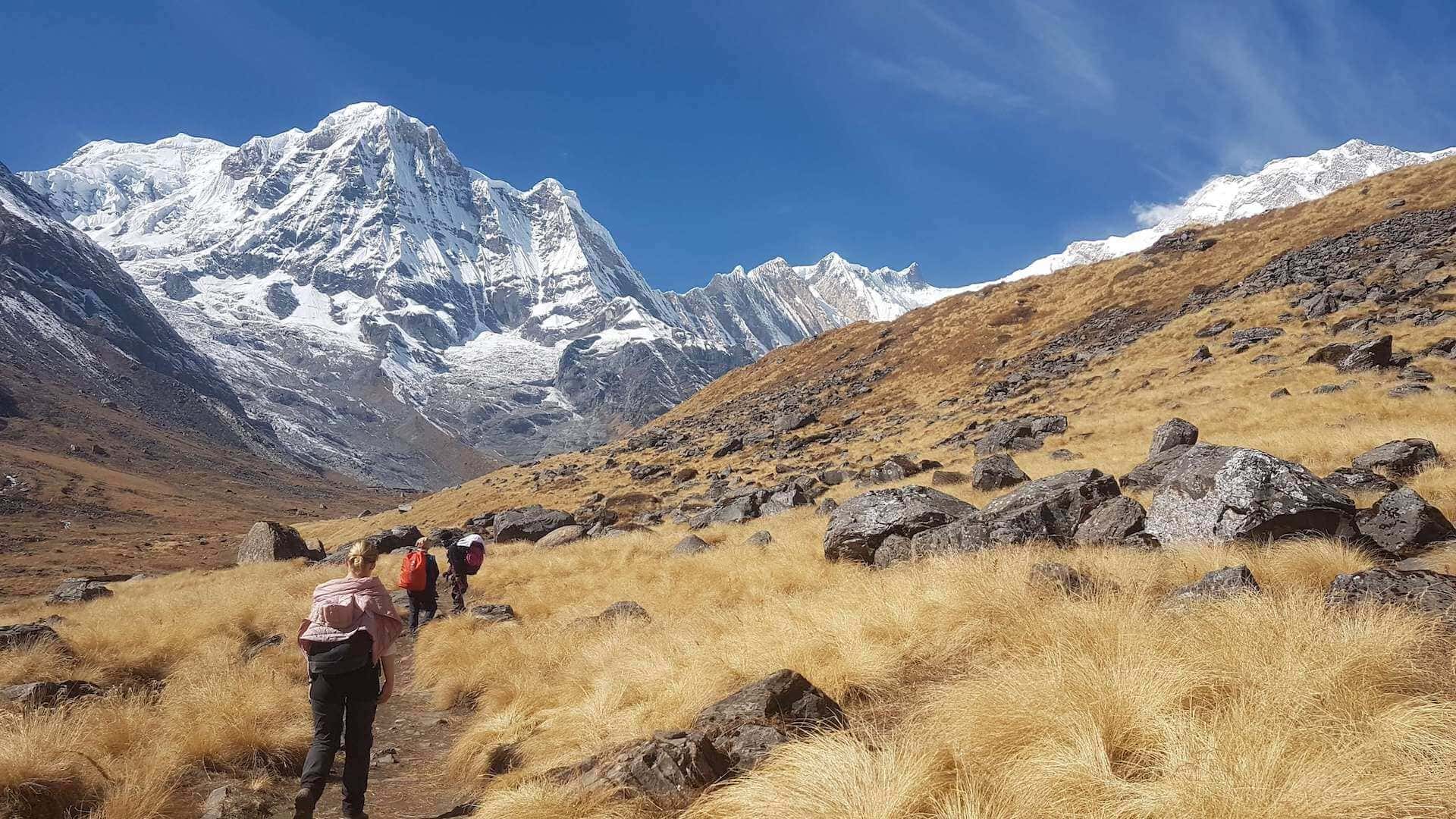
Marangu is the hut route. It is the only route TANAPA describes with alpine huts, at Mandara, Horombo and Kibo, so you sleep under a roof instead of in a tent. The park's headquarters is also at Marangu. If camping at altitude doesn't appeal to you, this is the route to look at, but check how many days your operator plans, since a short itinerary leaves little time to acclimatise.
Machame and Lemosho are camping routes. On every route except Marangu, climbers stay in designated tented camps run by licensed operators. Machame starts from its own gate, while Lemosho is reached via Londorossi. Ask each operator how many nights their itinerary spends on the mountain and how quickly it gains height, since that matters more than the name of the route.
Rongai is the northern option, starting from the Rongai gate on the north side of the mountain. Beyond the main trekking routes, TANAPA also lists a Crater Camp near the summit (special permit required), guided day hikes on the Marangu and Shira areas for non-summit visitors, and technical climbing on Mawenzi for highly skilled climbers.
Acclimatisation: the real success factor
Kilimanjaro's challenge is altitude, not technique. The CDC notes that any unacclimatised traveler going to a sleeping altitude of 2,450 m (8,000 feet) or higher, and sometimes lower, is at risk of altitude illness. The summit sits more than twice that high.
The CDC's core advice is to ascend gradually. Once above 3,000 m (9,800 feet), it recommends increasing your sleeping altitude by no more than 500 m (1,650 feet) per night, and adding an extra night to acclimatise for every 1,000 m (3,300 feet) of sleeping altitude gained. It also advises avoiding alcohol for the first 48 hours at high altitude. TANAPA's safety guidance says the same thing in plain terms: choose an itinerary with acclimatisation days, ascend slowly, stay hydrated and report symptoms to your guide promptly.
Know the warning signs. According to the CDC, headache is the main symptom of acute mountain sickness, usually with loss of appetite, dizziness, fatigue or nausea. Confusion, poor coordination and drowsiness can signal high-altitude cerebral edema, while a cough, chest congestion and unusual breathlessness on exertion can be early signs of high-altitude pulmonary edema. The CDC says you should never go up to sleep higher while you have symptoms, and if symptoms get worse despite treatment at the same altitude, descent is mandatory.
Medicines can help prevent altitude illness, but they are a conversation for your doctor, not a packing-list item. The CDC advises travelers with underlying medical conditions to see a physician familiar with high-altitude issues before the trip.
“Pick the route for the days, not the days for the route. Extra nights on the mountain are the best summit insurance you can buy.”
— Great Hikes team
Seasons, weather and what to pack
TANAPA lists the park as open year-round. The climb passes through very different zones, from montane forest with colobus and blue monkeys, through heath and moorland with giant lobelias and groundsels, to alpine desert and the summit icefields. The park warns that conditions change quickly at high altitude, so talk to your licensed operator about the best months for your chosen route and check the forecast close to your dates.
Whatever the month, TANAPA asks climbers to carry proper cold-weather and rain gear, a headlamp and personal medications. Think warm layers and an insulated jacket for summit night, a waterproof shell for the forest, broken-in boots, good socks and a comfortable daypack for the things you'll carry while porters handle the rest.
Pair the climb with a safari
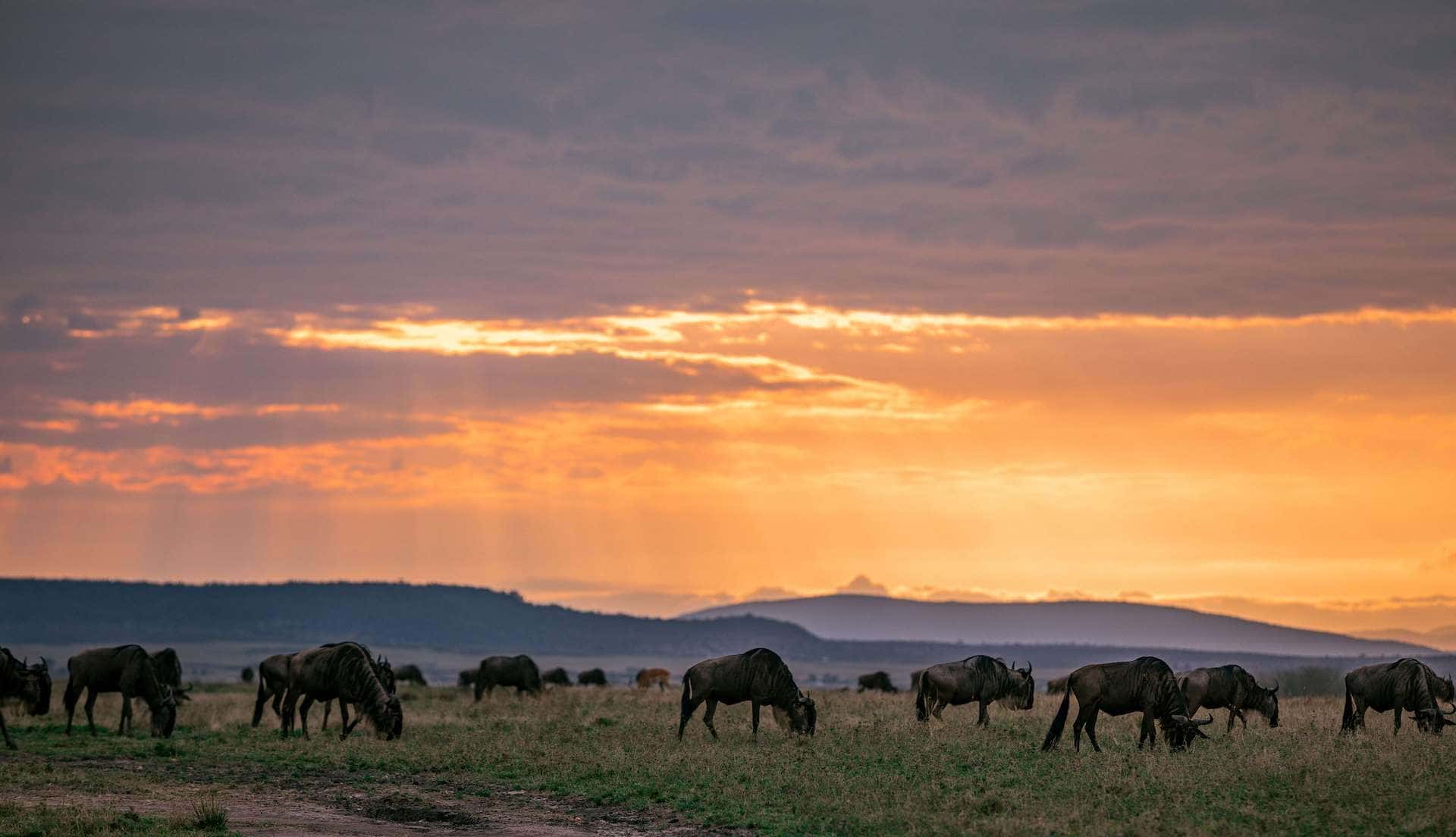
Many climbers fly into northern Tanzania once and stay for the wildlife afterwards. Serengeti National Park is also run by TANAPA, so you'll deal with the same park authority for rules and fees.
Routes, fees, regulations and conditions change. Always check the current rules and fee schedule with Tanzania National Parks at tanzaniaparks.go.tz/kilimanjaro, and review the CDC's altitude illness guidance with your doctor before you go.
Sources
- TANAPA – Kilimanjaro National Park
- TANAPA – Kilimanjaro National Park: About
- TANAPA – Kilimanjaro National Park: Visitor Guide (gates, huts, regulations, safety)
- TANAPA – Kilimanjaro National Park: Attractions and activities
- TANAPA – Kilimanjaro National Park: Wildlife & Habitats
- TANAPA – Kilimanjaro National Park: Contact & Location
- TANAPA – Mount Kilimanjaro Geopark (Shira Plateau, Kibo, Mawenzi)
- TANAPA – Serengeti National Park
- CDC Yellow Book – High-Altitude Travel and Altitude Illness