Guide
Hiking into the Grand Canyon: rim to river, safely
South Kaibab or Bright Angel, where day hikers should turn around, why the National Park Service warns against rim-to-river-and-back in one day, and how heat, water, permits and Phantom Ranch fit into your plan.
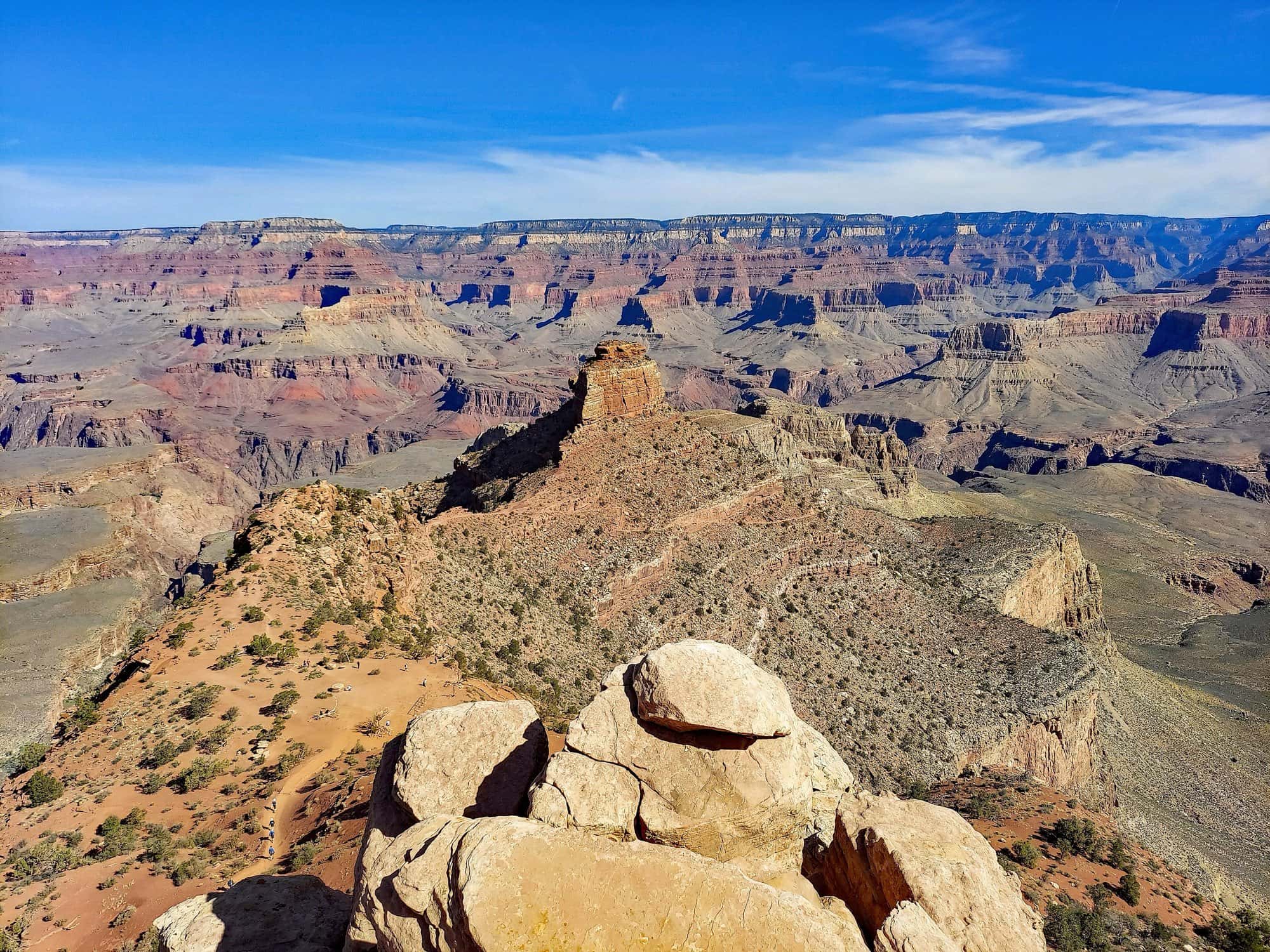
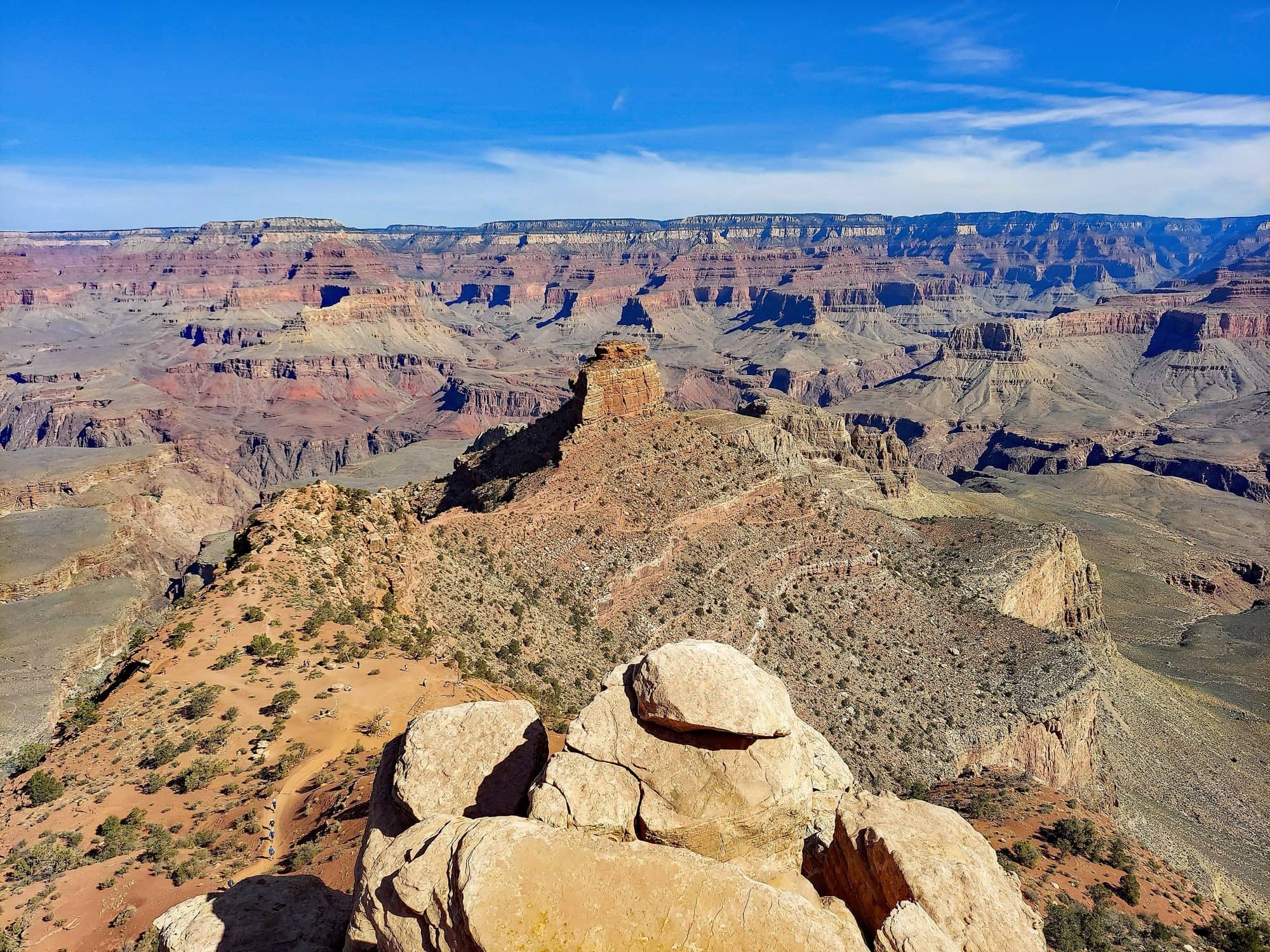
Photo: P. Hughes · CC BY-SA 4.0
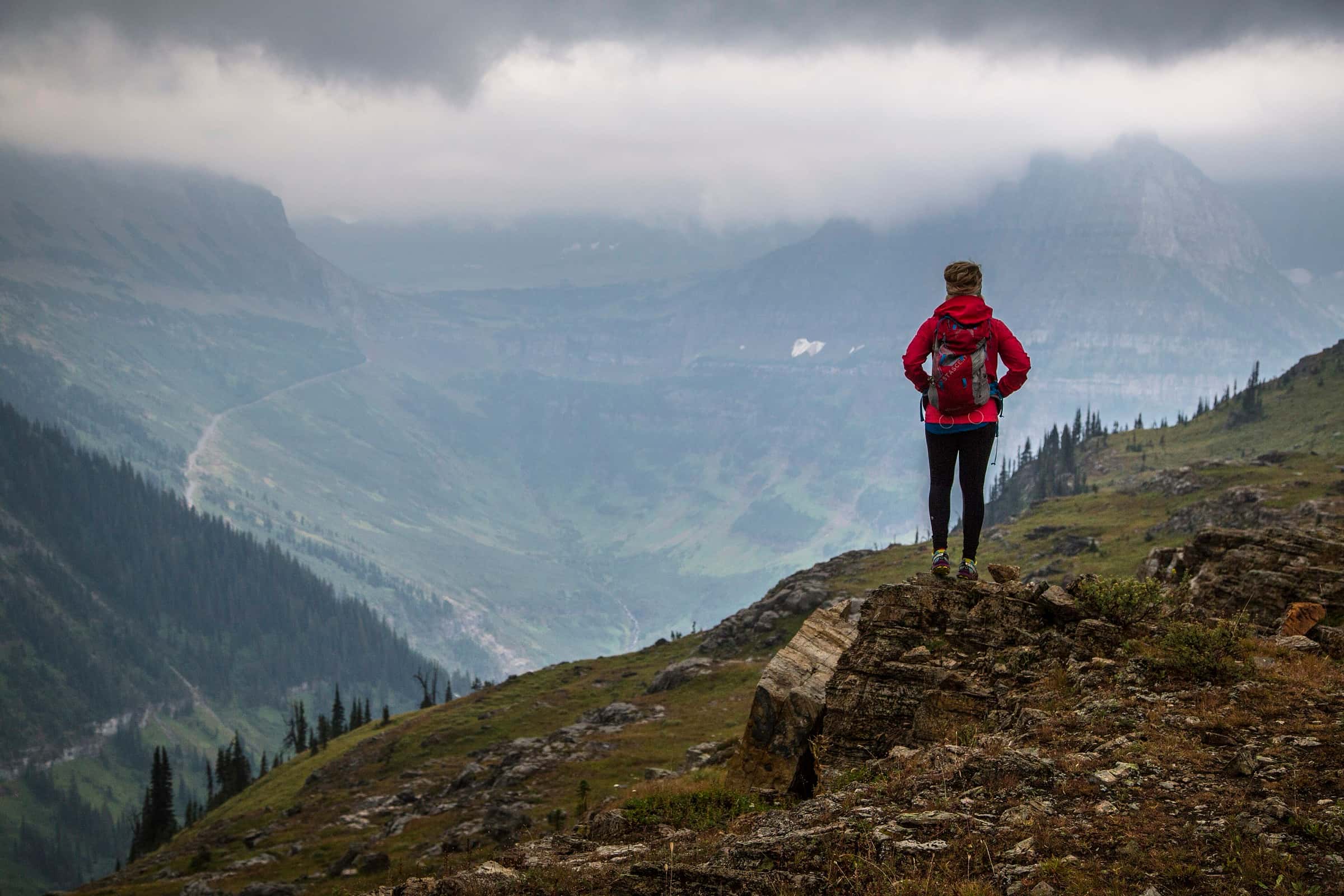
Walking below the rim of the Grand Canyon is nothing like hiking a mountain. You go down first, while you're fresh and the air is cool, and the hard part comes last, uphill and often in the heat. The National Park Service (NPS) puts it bluntly: there are no easy trails into or out of the Grand Canyon, and more than 300 people are rescued from the canyon each year.
Here's how the two main South Rim trails compare and where day hikers should turn around, with details from the park's own pages.
First: check what's open right now
After a significant flash flood on August 29, 2026, the park closed the whole of Phantom Ranch, including Bright Angel Campground, the canteen and the cabins. Also closed are the South Kaibab Trail below the Tipoff, the River Trail east of the River Resthouse, the Black and Silver bridges, and the entire North Kaibab Trail. As of the park's September 28, 2026 update, there is no estimated reopening date. The Bright Angel Trail is open from the trailhead down to the River Resthouse, along with Plateau Point and the Tonto Trail between the Tipoff and Havasupai Gardens. Check the park's Key Hiking Messages page before you plan anything.
South Kaibab vs Bright Angel
The South Kaibab Trail starts south of Yaki Point and follows a ridgeline down, which gives it some of the best views for a relatively short hike. That exposure comes at a cost: NPS describes it as steep, with little shade and no water along the trail. You can't drive to the trailhead: take the Kaibab Rim (Orange) Route shuttle from the Visitor Center, or arrive on foot or by bike. NPS lists 7 miles (11.3 km) from the trailhead to Bright Angel Campground.
The Bright Angel Trail starts in Grand Canyon Village, just west of Bright Angel Lodge. It's also steep, but it has some shade and, in normal years, seasonal water. It's the longer way down: NPS lists 4.5 miles (7.3 km) to Havasupai Gardens, 8 miles (12.9 km) to the River Resthouse and 9.5 miles (15.3 km) to Bright Angel Campground.
Day-hike turnaround points
On the South Kaibab Trail, NPS suggests Ooh Aah Point (1.8 miles / 2.9 km round trip, 1 to 2 hours, 790 feet of elevation change), Cedar Ridge (3 miles / 4.8 km round trip, 2 to 4 hours, 1,120 feet) or Skeleton Point (6 miles / 9.6 km round trip, 4 to 6 hours, 2,040 feet). Cedar Ridge has pit toilets but no water. NPS does not recommend hiking below Skeleton Point as a day hike, because of the long distance, extreme temperature changes and an elevation change of about 5,000 feet each way.
On the Bright Angel Trail, the classic turnarounds are the Mile-and-a-Half Resthouse (3 miles / 4.8 km round trip, 2 to 4 hours, 1,120 feet) and the Three-Mile Resthouse (6 miles / 9.6 km round trip, 4 to 6 hours, 2,120 feet). Havasupai Gardens (9 miles / 14.4 km round trip, 6 to 9 hours, 3,040 feet) and Plateau Point (12 miles / 19.6 km round trip, 9 to 12 hours, 3,080 feet) are long, serious days. NPS says destinations below Havasupai Gardens are not recommended day hikes.
A simple rule from the park: allow one third of your time to go down and two thirds to come back up.
“Do not attempt to hike from the rim to the river and back in one day, especially between May and September, when extreme heat can quickly become life-threatening.”
— Grand Canyon National Park (NPS)
Heat: the biggest danger
The inner canyon is far hotter than the rim. NPS says July shade temperatures at Phantom Ranch reach 104°F, and that sun temperatures run 15 to 20°F hotter than posted shade temperatures. Rangers strongly discourage hiking during the heat of the day, 10 a.m. to 4 p.m., when most emergency heat cases happen. Start early, rest in the shade at midday and soak yourself whenever you're near water.
Know the warning signs. Heat exhaustion brings fatigue, nausea, vomiting, cool moist skin, headache and cramps: stop hiking, rest in the shade, drink water with electrolytes and eat. Heat stroke, with a flushed face, dry skin, a weak rapid pulse and confusion, is an emergency: cool the person immediately and call for help. Drinking lots of water without enough salt can cause hyponatremia, which looks like heat exhaustion. The treatment is to stop drinking water, eat salty food and rest in the shade.
Water and food
There is no water on the South Kaibab Trail. On the Bright Angel Trail, NPS says water is normally available from May through October at the Mile-and-a-Half and Three-Mile Resthouses, and year-round at Havasupai Gardens, but the pipeline is subject to breaks. Right now the park lists water as off at all three of those stops. Potable water is available in tanks at both trailheads. Carry all the water you need, plus purification tablets, and check water status at the Visitor Center or Backcountry Information Center on the day.
Food matters too. NPS says to eat about twice as much as you normally would, favoring salty snacks to balance your water intake.
Going overnight: permits and Phantom Ranch
If you want to reach the river, NPS's answer is to make it an overnight trip. Day hikes, including night-time ones, need no permit, but camping anywhere outside the developed rim campgrounds requires a backcountry permit. Apply through Recreation.gov: an early-access lottery opens on the 16th of the month, four months before your desired start month, and closes at 5 p.m. MST on the 1st. NPS lists a $10 permit or application fee plus $15 per person per night below the rim.
Phantom Ranch, at the bottom of the canyon, offers dormitories and cabins, with meals available for purchase. You don't need a backcountry permit to stay there, but you do need advance reservations, made through an online lottery run by Xanterra Parks and Resorts 15 months ahead. Phantom Ranch is closed after the August 2026 flood, so check its status before entering any lottery.
Seasons
Summer brings extreme heat below the rim, and NPS's strongest warnings cover May to September. Summer storms also bring lightning danger. In winter and early spring, the upper trails can be extremely icy. NPS says packed snow and ice is regularly found on the first three miles of the Bright Angel Trail, and the north-facing Chimney at the top of the South Kaibab holds ice all winter. The park recommends over-the-shoe traction devices, hiking poles and a flashlight with spare batteries.
More canyon country
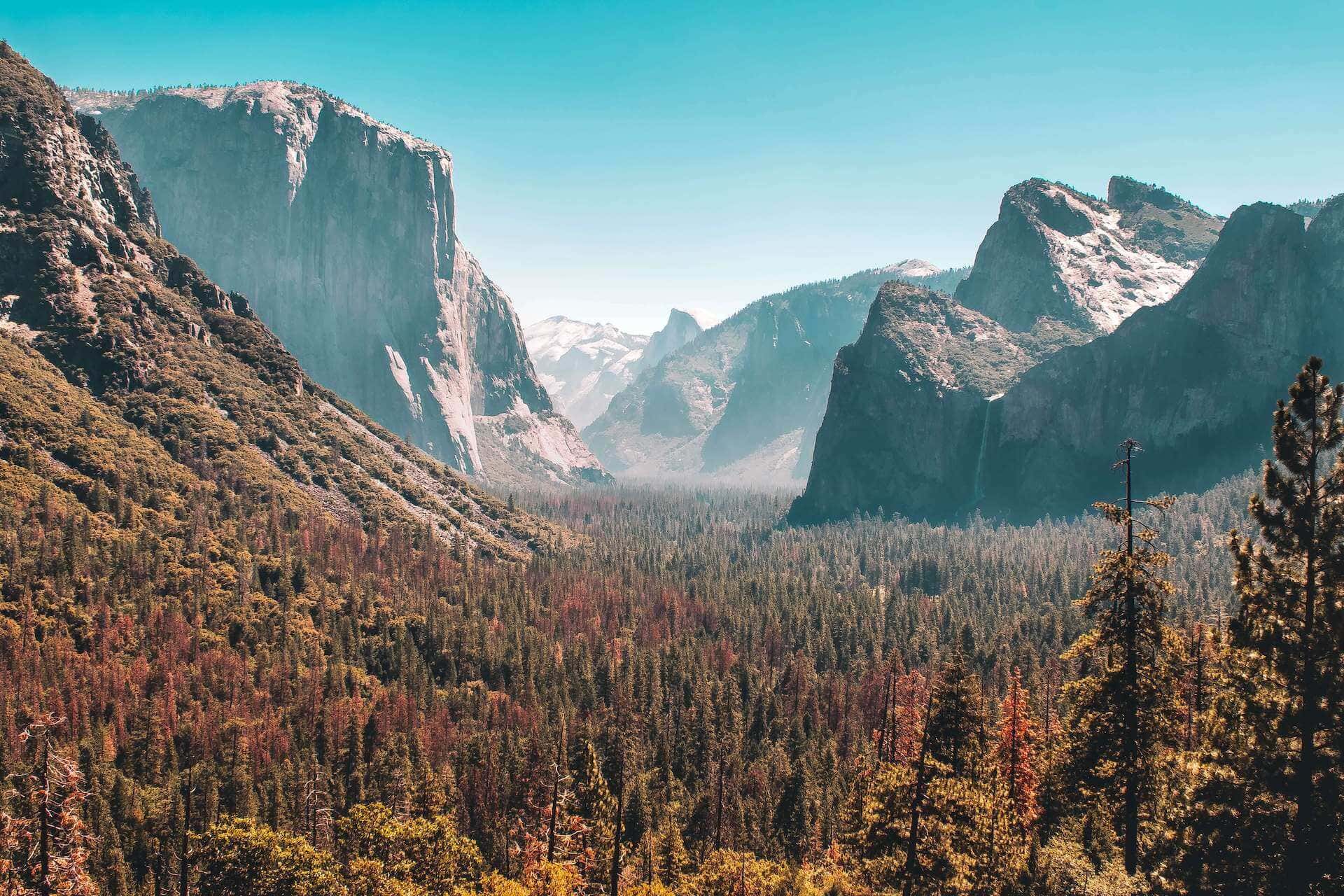
Looking for more big-park hiking? Try Zion or Yosemite.
Trail closures, water status and heat risk change often. Always check current conditions and regulations with Grand Canyon National Park at nps.gov/grca, and talk to a ranger before any long hike below the rim.
Sources
- NPS Grand Canyon – Key Hiking Messages: critical updates and closures (updated September 28, 2026)
- NPS Grand Canyon – Day Hiking
- NPS – South Kaibab Trail
- NPS – Bright Angel Trail
- NPS Grand Canyon – Backcountry Trail Distances
- NPS Grand Canyon – Summer Hiking (Hike Smart)
- NPS Grand Canyon – Hiking Tips
- NPS Grand Canyon – Winter Hiking
- NPS Grand Canyon – Backcountry Permit
- NPS Grand Canyon – Lodging (Phantom Ranch)