Guide
How to plan the W Trek in Torres del Paine
Park tickets, mandatory refugio and campsite bookings, which way to walk, how many days, when to go and how to reach Puerto Natales: a step-by-step plan for Patagonia's most famous multi-day hike, checked against CONAF and the park's official operators.
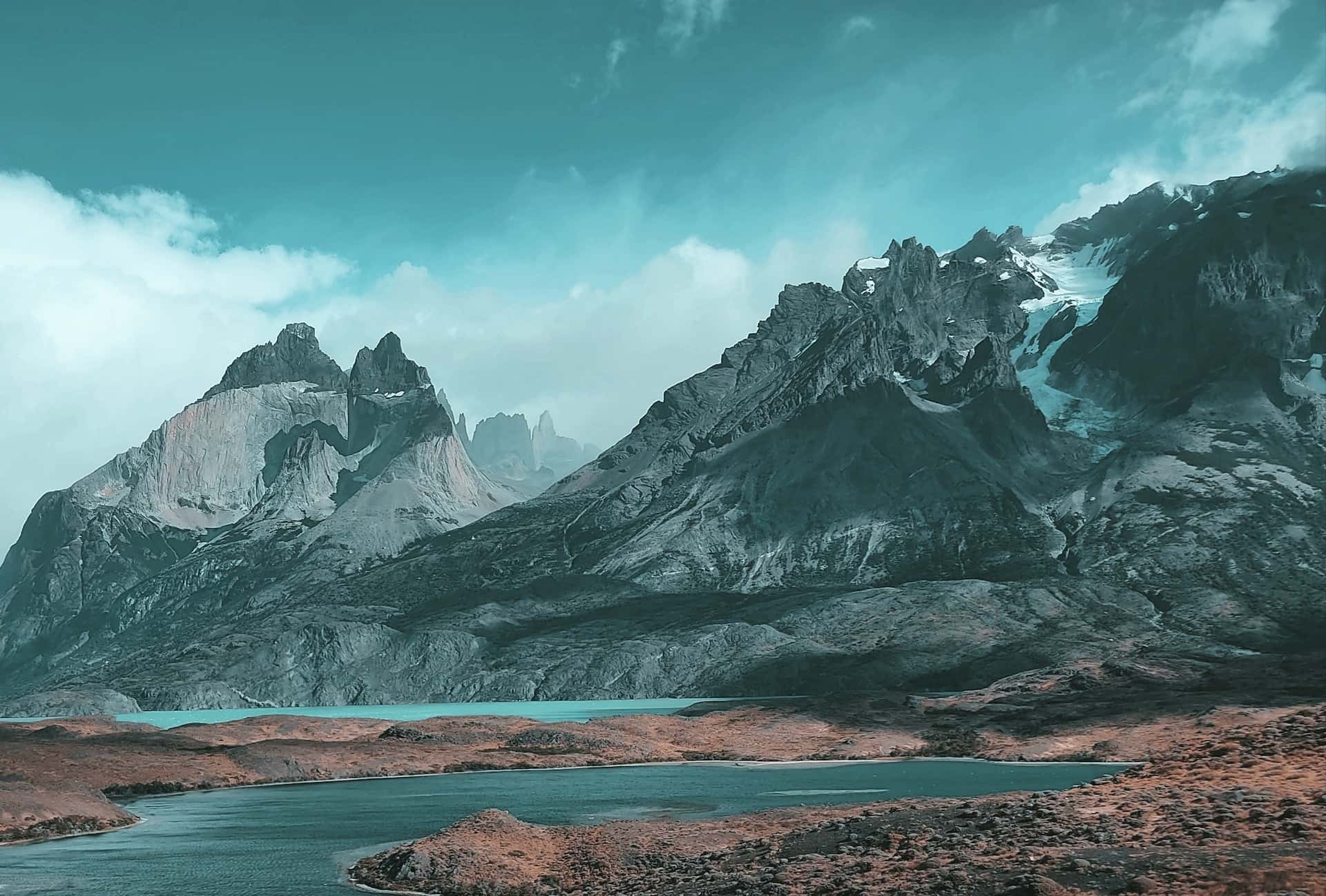
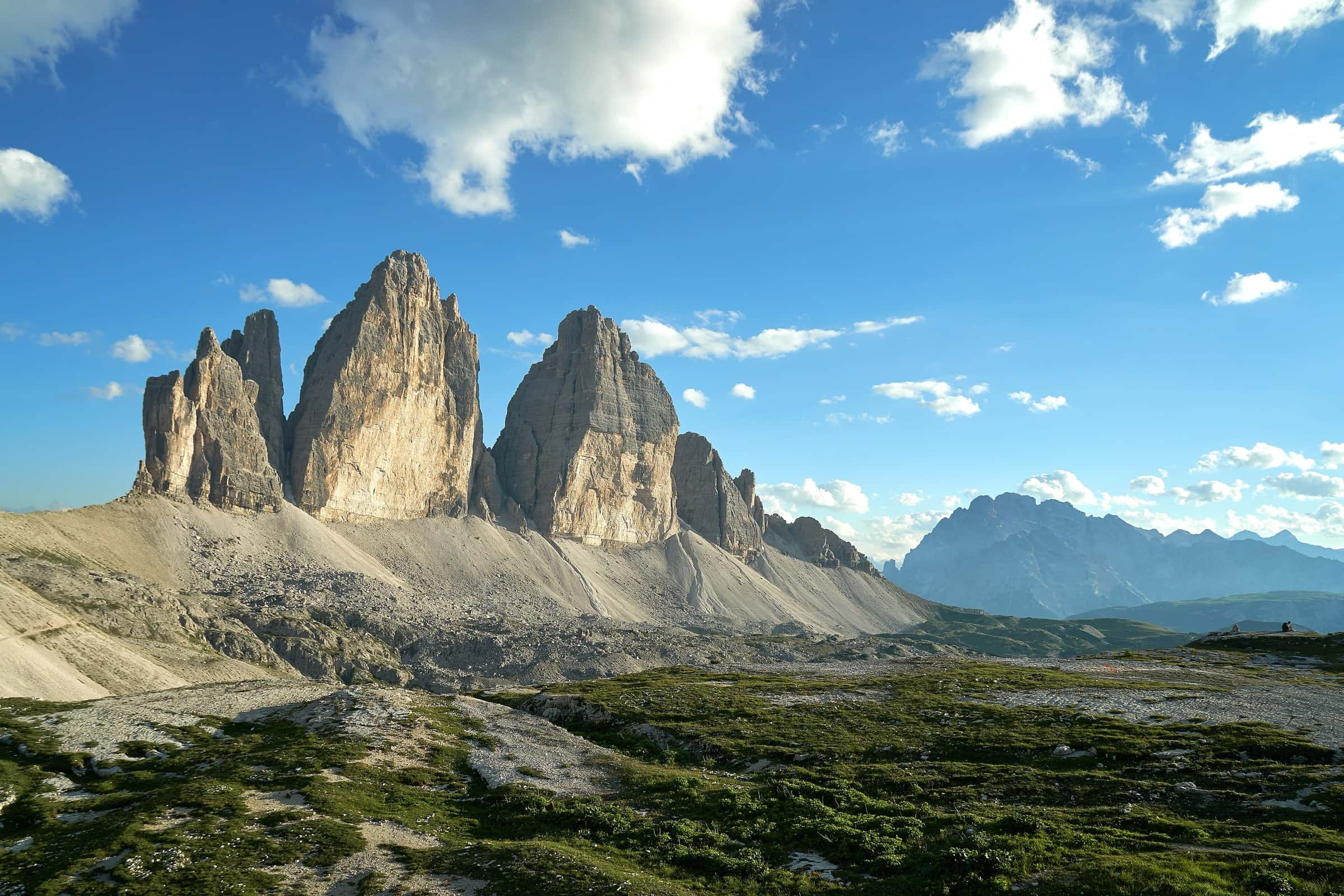
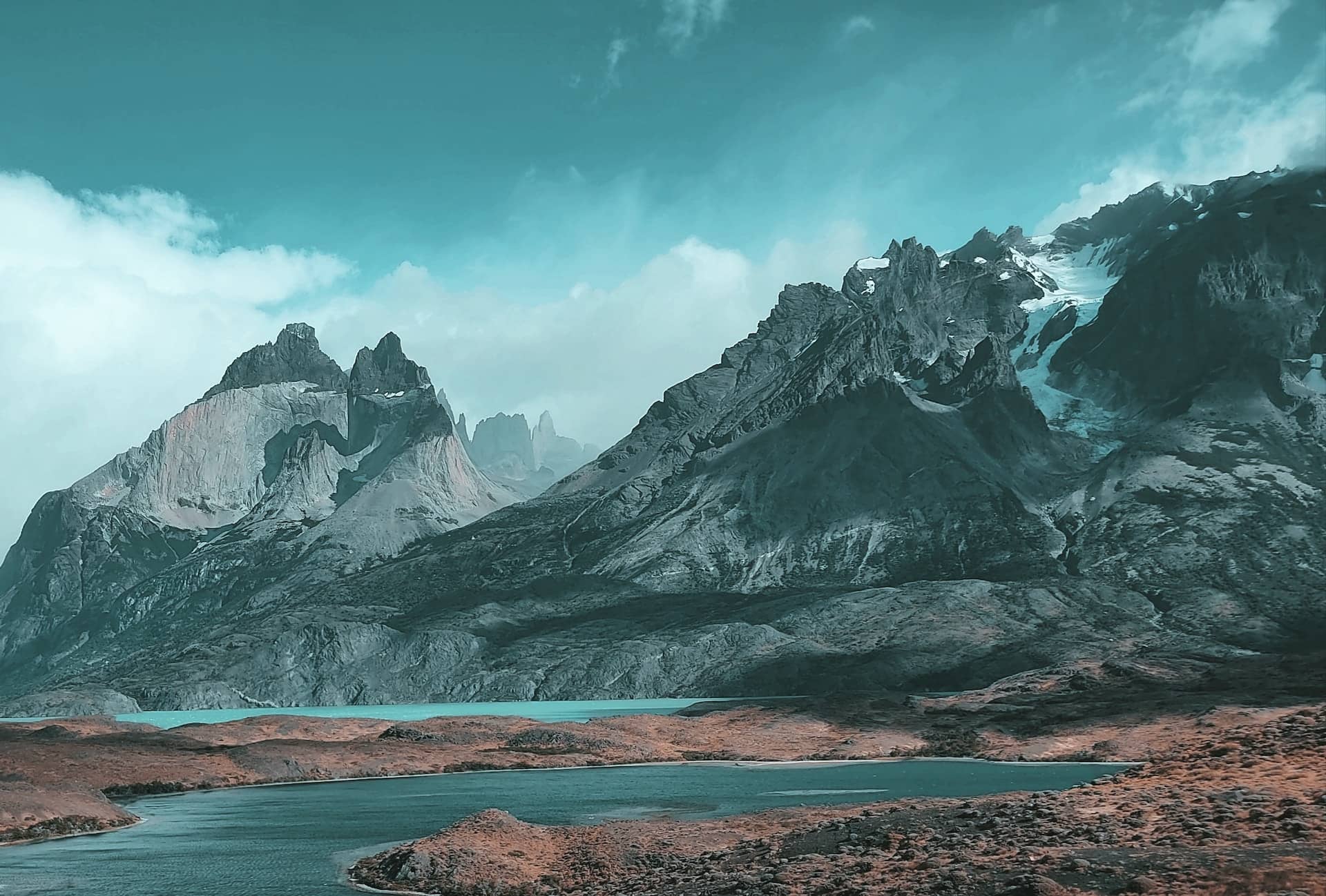
Photo by Claudio Mota on Pexels
The W Trek is named for the shape it traces across the southern side of the Paine massif in Chilean Patagonia. It links the granite towers at Base Torres, the valley below Los Cuernos and Glacier Grey. The scenery gets the attention, but most of the work is in the planning. The trek is managed by CONAF, Chile's national forest service, and you can't just turn up with a tent. Here is the order we'd plan it in.
Step 1: Book your beds or tent sites first
This is the rule that catches most first-timers. CONAF says that to hike the W or the full Paine massif circuit (the O), you must book your overnight stays in advance. Without them you can't go into the mountain sector. The rule doesn't apply to day hikes such as Base Torres, to day trips along the road, or to the roadside campgrounds such as Camping Serrano and Camping Pehoé.
The refugios and campsites along the trail are run by two private operators, not by CONAF, and you book each one directly. Las Torres Patagonia (lastorres.com) runs the eastern and central sites, toward the towers and Los Cuernos. Vértice Patagonia (vertice.travel) runs Refugio & Camping Paine Grande, Refugio & Camping Grey, Refugio & Camping Dickson and Camping Los Perros. The last two are on the O circuit. Work out your nights first. Then book every stop before you buy flights, because each night has to line up with the next day's hike.
If you'd rather not piece it together yourself, Las Torres also sells a packaged W. It runs 5 days and 4 nights, or 4 days and 3 nights, with lodging, meals, park transport, the park entry ticket and the Lake Pehoé catamaran included. Its 2026–27 W departures run from October 2026 through April 2027.
Step 2: Buy your park entry ticket
Entry tickets are sold online through Pases Parques (pasesparques.cl), CONAF's official ticket portal. Your park ticket doesn't include a bed or a campsite. Those are booked separately (see Step 1). CONAF sells a day ticket and a multi-day ticket. For 2026 it lists the multi-day ticket for foreign adults at CLP 48,500. Children under 12, adults over 60 and people with disabilities get in free. Buy the ticket that matches the dates you booked.
CONAF lists park hours of 8:00 to 19:00, and hiking after dark is not allowed. For Base Torres, the 2026 schedule says you must start by 09:00 and be back down by 15:00. Times can change by season, so check the current schedule on the park's official site before you set your daily start times.
Step 3: Choose a direction and how many days
The W has two ends. The eastern end is the Torres sector, below the towers. The western end is Paine Grande, on Lake Pehoé, and from there a spur leads up to Glacier Grey. Paine Grande connects to the road by catamaran between Paine Grande and Pudeto. There is also a boat on Lake Grey. The Las Torres package walks east to west. It starts with a regular bus from Puerto Natales and ends with the Pehoé catamaran back toward town. Many hikers do the reverse. Choose a direction by what you can book: the order of your refugio or campsite nights decides it.
Las Torres sells the W in 4-day and 5-day versions. In our view, the extra day is worth it. It gives you room for a slower climb to the towers, and a spare half day if the weather turns. CONAF's daily trail report lists each W section as open or closed, along with any one-way-only stretches. Most one-way stretches are on the O, but check the report before you go.
Step 4: Pick your season, and respect the wind
The W is mainly a spring-to-autumn trip. Winter rules change things a lot. Under CONAF's 2026 winter rules, the W was open only with an accredited guide in May and August. It was closed completely in June and July. CONAF later kept the guide requirement through September 15 because of weather and trail conditions. From September 16, 2026, you no longer need a guide on the W or Base Torres. Microspikes and trekking poles may still be recommended or required while snow and ice remain. The O circuit stays closed through the winter, so check its reopening date with CONAF before planning a longer loop.
Patagonian weather changes fast, and CONAF can restrict or close trails when the forecast is bad. Its winter rules mention whiteout conditions on exposed passes. CONAF's advice is to check the forecast again and again while you're in the park. Pack a waterproof jacket and warm layers in every season. Keep your pack light enough to carry steadily in strong gusts. Allow some slack in your schedule, since a stormy day can mean waiting it out rather than pushing on.
“Book the nights, then the ticket, then the flights, and leave room in the plan for Patagonia's weather.”
— Great Hikes team
Step 5: Getting to Puerto Natales and the park
Puerto Natales is the town where most W trips start and end. CONAF describes the route as a 250-kilometer paved road from Punta Arenas to Puerto Natales. From Puerto Natales you can reach the park on Route 9 North (about 150 km) or on the shorter Y-290 "Lago Porteño" road (about 80 km). The main entrances are Laguna Amarga, Sarmiento and Río Serrano.
CONAF's park page says regular buses leave Puerto Natales in the morning and the afternoon. Confirm the current timetable with the bus companies, and make sure your bus reaches the park in time for your first day's hike and your first night's booking. If your route uses the Pehoé catamaran, plan your return around its schedule.
Before you go
Stay on marked trails only. Lighting any fire or heat source outside permitted areas is banned and can bring heavy fines or prison time. Only approved camp stoves may be used, and only in designated areas. Pack out everything you bring in. If you want to see more of Patagonia after the W, Los Glaciares National Park, across the border in Argentina, makes a good second stop.
Rules, fees, trail status and seasonal closures in Torres del Paine change often, sometimes within a season. Always check current conditions and regulations with CONAF at parquetorresdelpaine.cl and conaf.cl, and confirm your bookings directly with the operators before you travel.
Sources
- CONAF – Parque Nacional Torres del Paine
- Parque Nacional Torres del Paine (CONAF) – official site
- Parque Nacional Torres del Paine – Tarifas y horarios 2026
- Parque Nacional Torres del Paine – Sistemas de reservas
- Parque Nacional Torres del Paine – Estado de senderos
- CONAF – Reglamento para actividades turísticas en condiciones invernales PNTP (junio 2026)
- Pases Parques – CONAF ticket portal
- Las Torres Patagonia – Circuito W
- Vértice Patagonia – Alojamientos Torres del Paine