Guide
Walking the Milford Track: a complete guide
Four days, three huts and one direction through the heart of Fiordland: how bookings, transport, huts and weather work on New Zealand's most famous Great Walk, straight from the Department of Conservation.
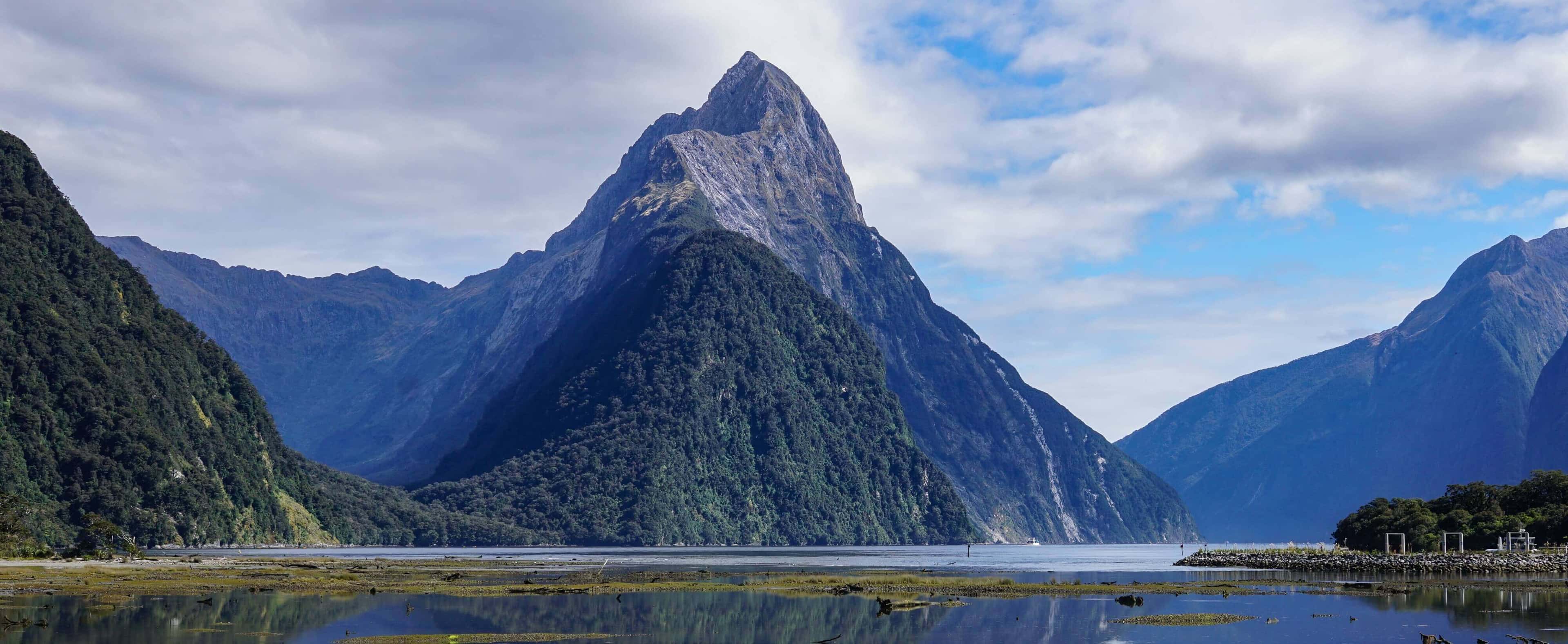
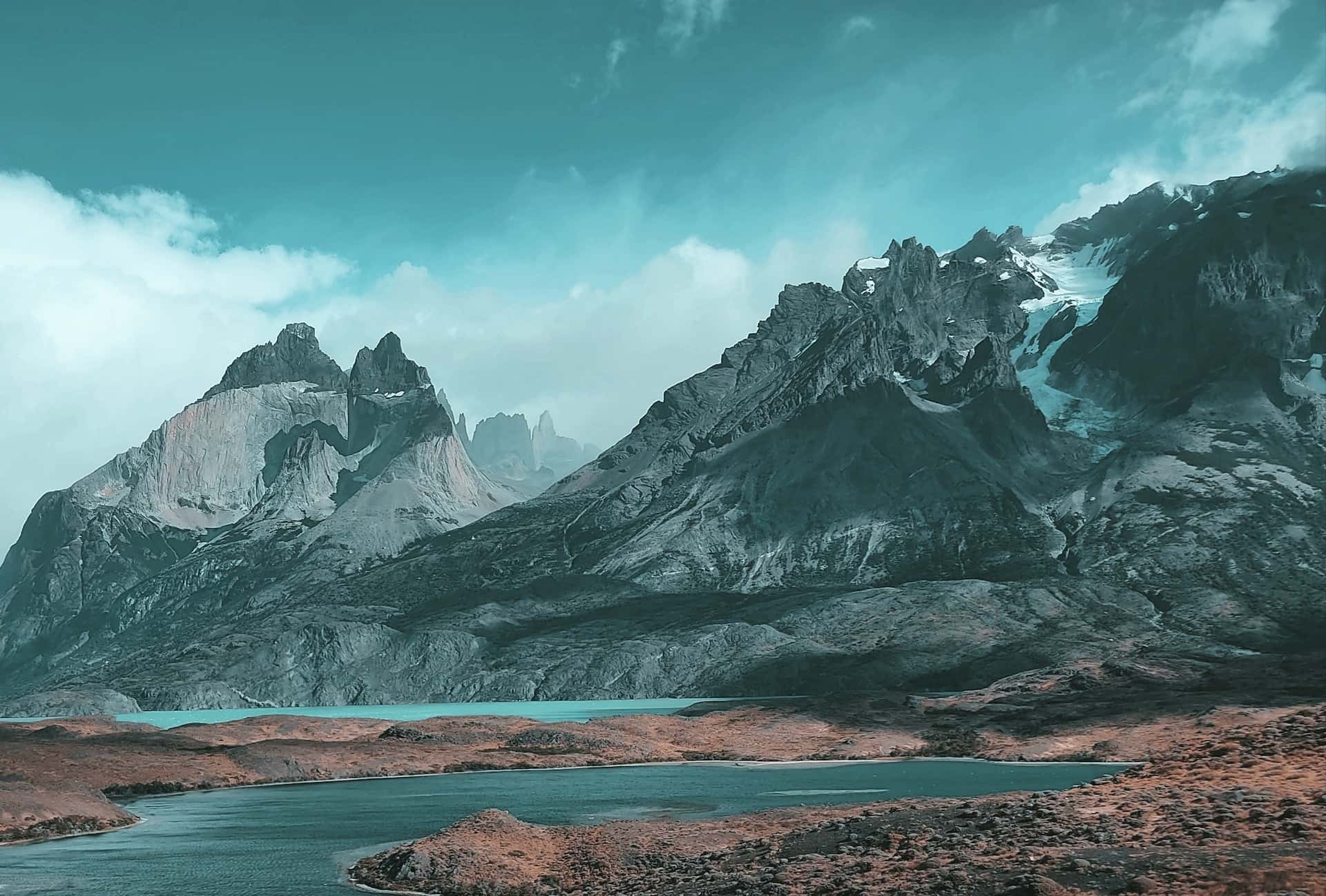
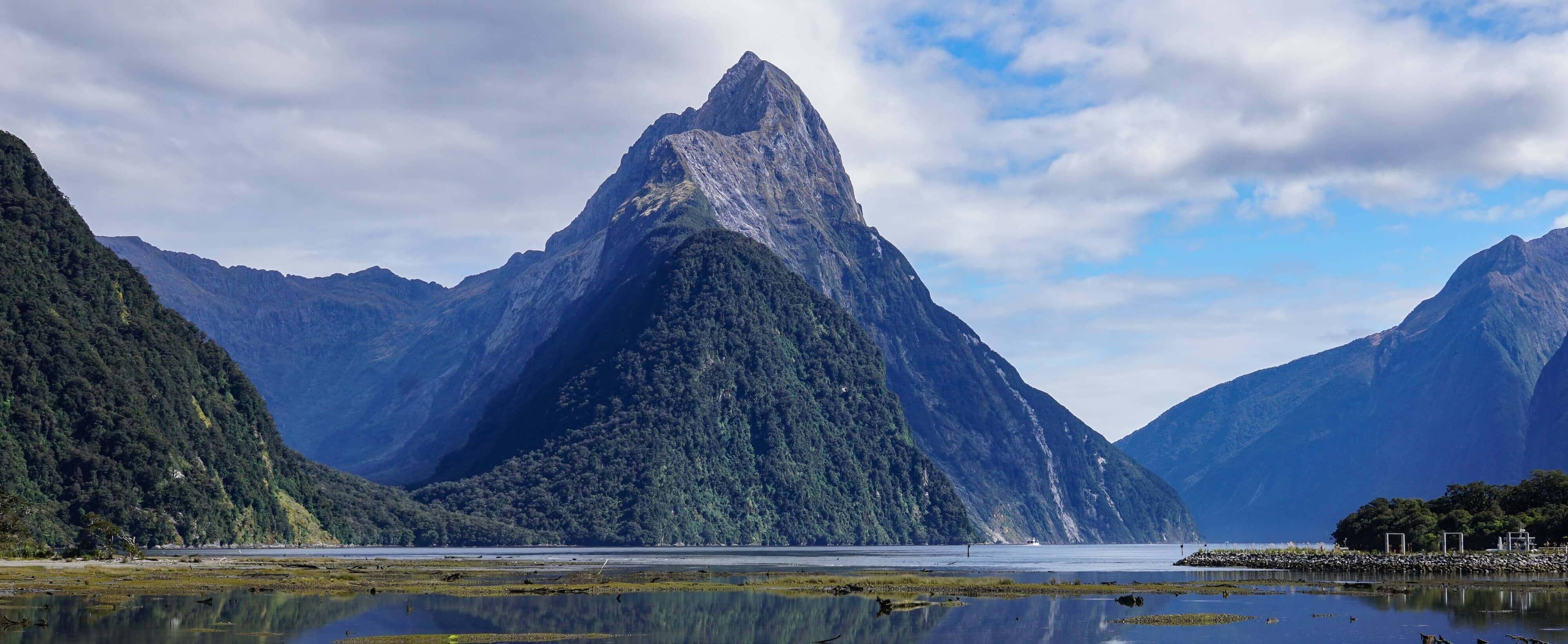
Photo by Paul Huisman on Unsplash
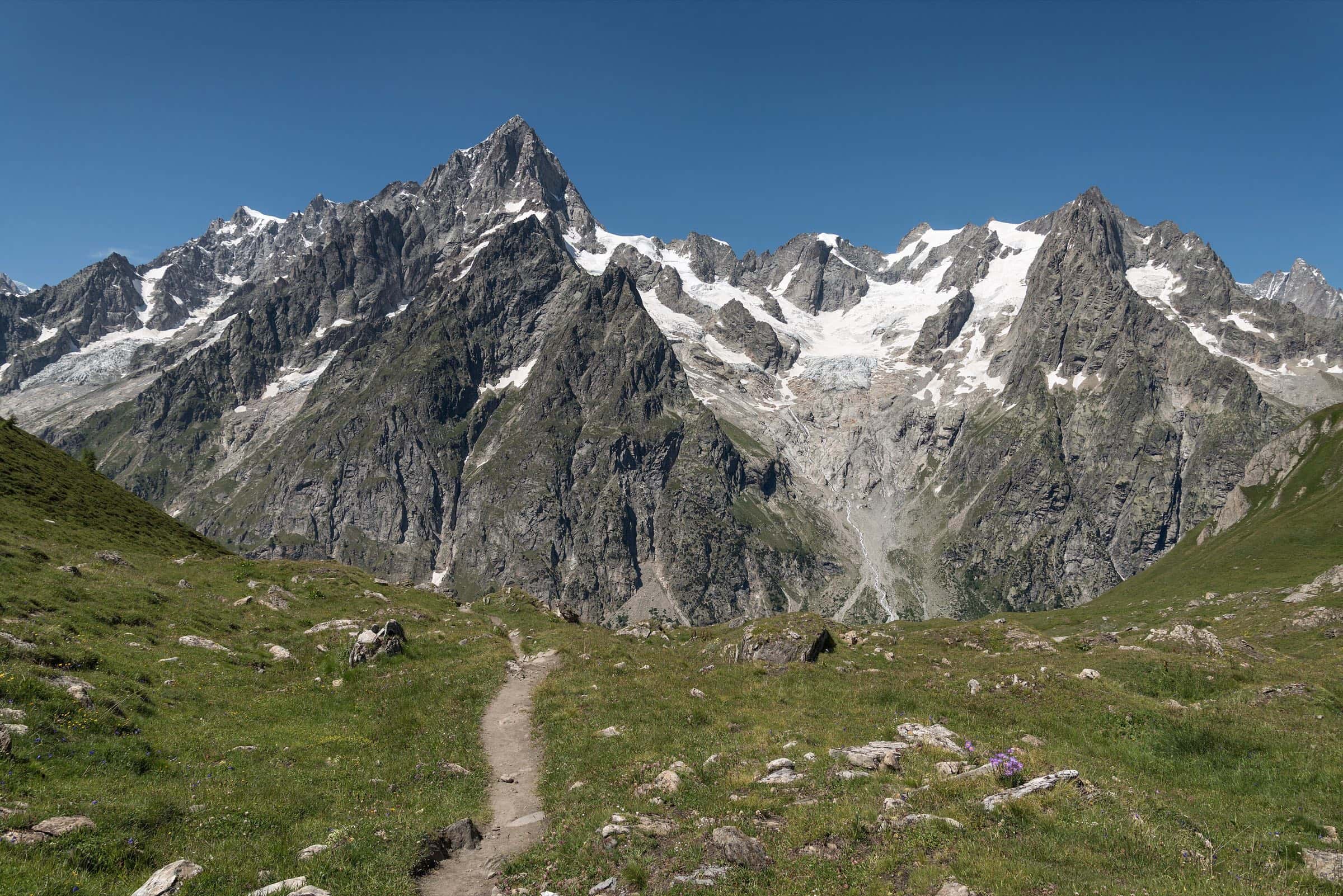
The Milford Track runs from the head of Lake Te Anau to Sandfly Point on Milford Sound/Piopiotahi, through Fiordland National Park on New Zealand's South Island. The Department of Conservation (DOC) lists it as a 54 km (about 33.5 mile) walk over four days and three nights. It follows glacier-carved valleys and ancient beech forest, climbs over an alpine pass and passes some of the country's most famous waterfalls.
It is also one of the most tightly managed walks in the world. You can't drive to either end, you can't camp, and you can only walk it one way. Here's how it all fits together, with the details as DOC publishes them.
Season and bookings
The Great Walks season for 2026/27 runs from 1 November 2026 to 30 April 2027, with the last departure on 28 April 2027. During the season you must book all three huts in advance through the DOC booking system. Bookings for 2026/27 opened on 13 May 2026, and DOC says they are open now. Milford dates are in high demand, so check availability early and have backup dates ready.
DOC's own booking tips are simple: create your DOC booking account well before you need it, test your login before an opening day, read the rules for your track, and have a plan B if your first choice is full.
Hut fees are charged per person, per night. For the 2026/27 Great Walks season DOC lists NZ$106 for New Zealand adults and NZ$152 for international adults. Children pay NZ$53 (New Zealand, ages 5–17) or NZ$76 (international, ages 0–17), and New Zealand infants (0–4) stay free. Outside the season, the fee drops to NZ$30 per adult and NZ$15 per child. Fees change, so confirm them when you book.
One direction, three huts, no camping
The Milford Track can only be walked one way, from Glade Wharf to Sandfly Point. Camping is not permitted. Walkers stay in three DOC huts in order: Clinton Hut, then Mintaro Hut, then Dumpling Hut. For safety, DOC requires you to stay in each hut on the night shown on your booking confirmation.
Each hut has 40 bunks with mattresses in shared rooms. In the Great Walks season they have heating, toilets, basic cooking facilities with fuel, solar lighting and cold running water, and a DOC ranger lives on site. There are no showers and no cooking utensils, so bring your own pots, plates and cutlery. Outside the season, gas is not provided and the running water is turned off, so you need your own stove.
Getting there from Te Anau
There is no vehicle or private access to either end of the track, so you must book your transport in advance. From Te Anau, take a bus or private transport to Te Anau Downs (about 30 minutes). From there, a boat takes you to Glade Wharf at the head of Lake Te Anau (1 hour 15 minutes). At the end, a 20-minute boat ride runs from Sandfly Point to Milford Sound/Piopiotahi, where bus services connect back to Te Anau and on to Queenstown. DOC also points to guided walks on the track if you'd rather not go independently.
The track, day by day
Day 1: Glade Wharf to Clinton Hut, 5 km (about 3 miles), 1 to 1.5 hours. After the boat cruise, it's an easy walk through beech forest beside the Clinton River. DOC notes a short Wetland Walkway near the hut, about 15 minutes return.
Day 2: Clinton Hut to Mintaro Hut, 17.5 km (about 11 miles), about 6 hours. A gradual climb follows the Clinton River to its source at Lake Mintaro, at the foot of Omanui/McKinnon Pass. On the way you pass Hirere Falls and get views of the Pompolona icefield.
Day 3: Mintaro Hut to Dumpling Hut, 13 km (about 8 miles), 6 to 7 hours. This is the big day. You climb to Omanui/McKinnon Pass, the highest point of the track at 1,154 m (about 3,786 feet), then descend around 1,000 m through alpine gardens and past waterfalls along the Roaring Burn. DOC calls the side trip to Sutherland Falls a definite highlight. It takes about 1 hour 30 minutes return, and the falls drop 580 m (about 1,900 feet) in three leaps from Lake Quill.
Day 4: Dumpling Hut to Sandfly Point, 18 km (about 11 miles), 5.5 to 6 hours. You follow the Arthur River past the historic Boatshed, Mackay Falls and Bell Rock. The last 3 km is a smooth, wide track built by a prison labour gang between 1890 and 1892, ending at the boat to Milford Sound.
“Book the huts and both boats before anything else, then pack for rain, whatever month it is.”
— Great Hikes team
Weather and safety
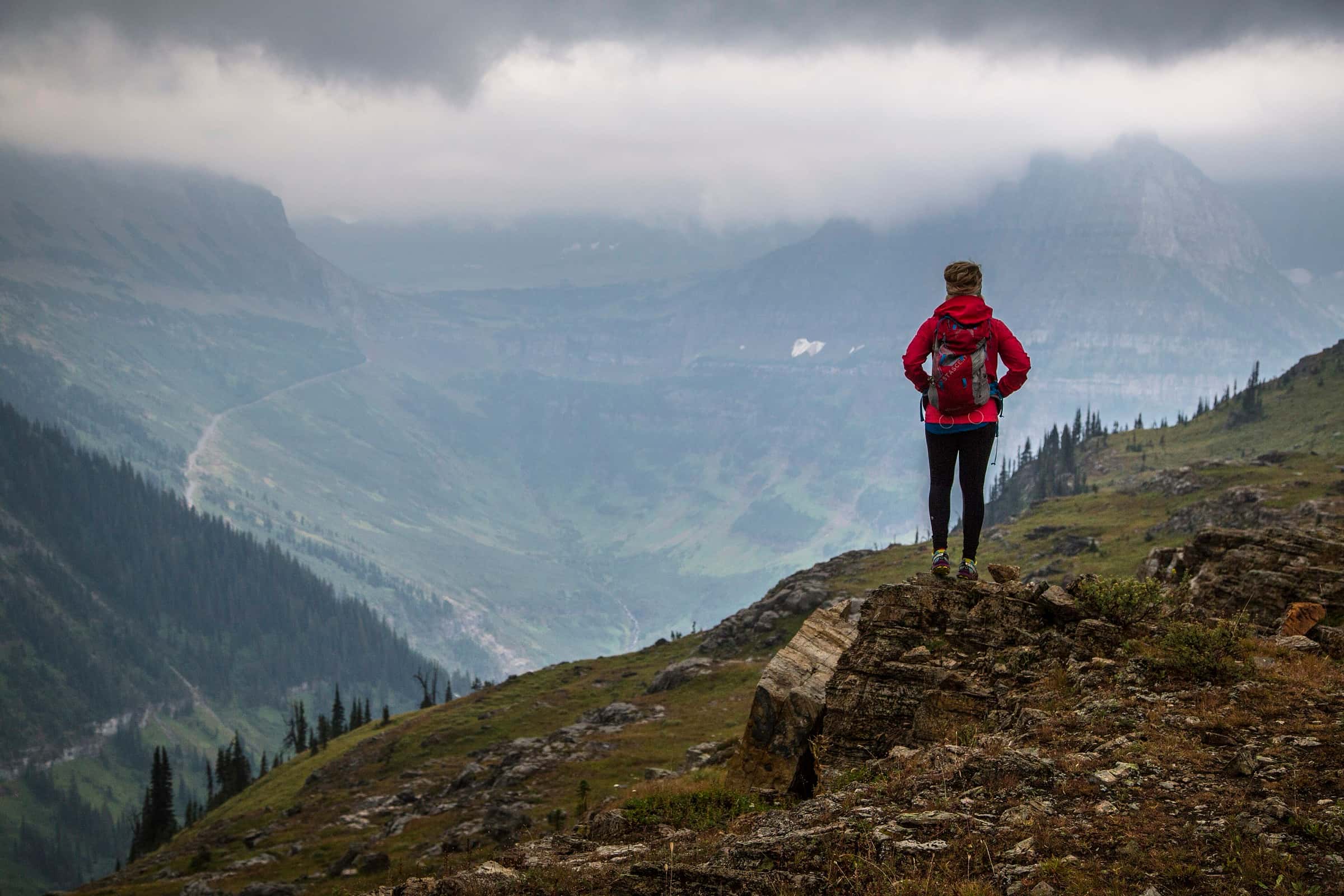
Fiordland is one of the wettest places in New Zealand. DOC notes rainfall of up to 9,000 mm (about 354 inches) a year, and warns that cold temperatures, snow, strong winds and heavy rain can happen at any time of year. Both the Clinton and Arthur valleys become impassable in heavy rain. Pack a good waterproof jacket and warm layers even in midsummer, and keep your gear dry in a pack liner. There is no cellphone coverage on the track.
Avalanche risk can extend into December, and DOC counts more than 57 avalanche paths along the route. Outside the Great Walks season (May to late October), the track is not managed. DOC says it should only be attempted by fit, experienced and well-equipped people, with alpine gear such as an ice axe and crampons, plus an avalanche beacon, snow shovel and probe. DOC also does not recommend the track for children under 10, because of the exposed mountain terrain and frequent bad weather.
More Great Walks
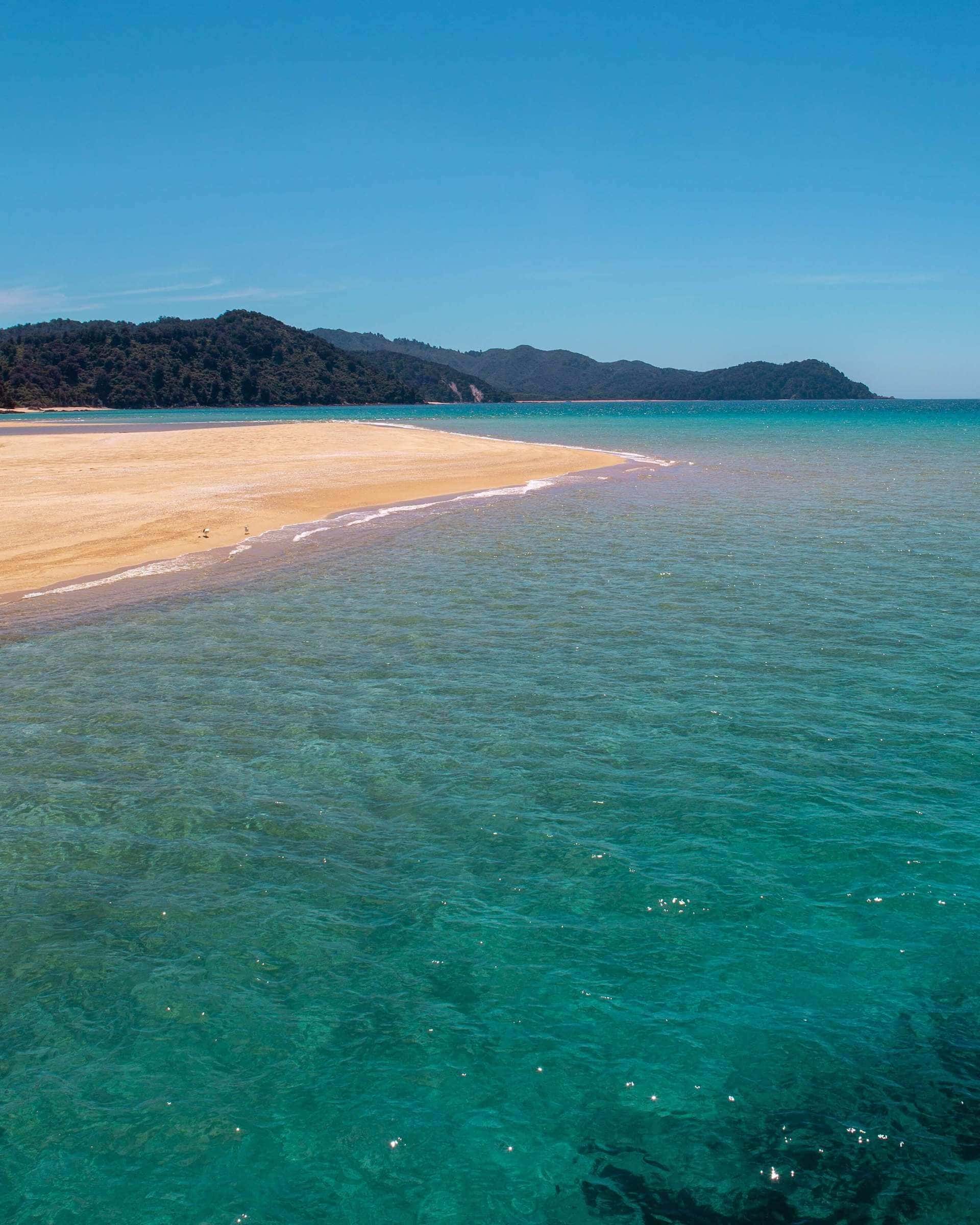
If Milford dates are full, or you'd like a gentler coastal walk, the Abel Tasman Coast Track at the top of the South Island is another DOC Great Walk. Note that its huts and campsites must be booked in advance all year round.
Track conditions, closures, fees and transport change often. Always check current track alerts, weather and regulations with the Department of Conservation at doc.govt.nz/milfordtrack before you go.